
How to Document Vehicle Damage After a Crash

How to Document Vehicle Damage After a Crash

The moments after a collision can feel rushed, especially on a busy Coachella Valley road or in a crowded parking lot. Knowing how to document vehicle damage before the vehicles are moved, repaired, or towed can protect the details that matter later. Clear records help your insurance carrier understand what happened, give your repair facility a better starting point, and reduce avoidable confusion during an already stressful time.

Your first responsibility is safety. If anyone is injured, call 911. Move to a safe location if the vehicle can be driven and doing so will not create additional risk. Once everyone is safe and the situation is under control, begin collecting information calmly and thoroughly.

Start at the Scene, If It Is Safe

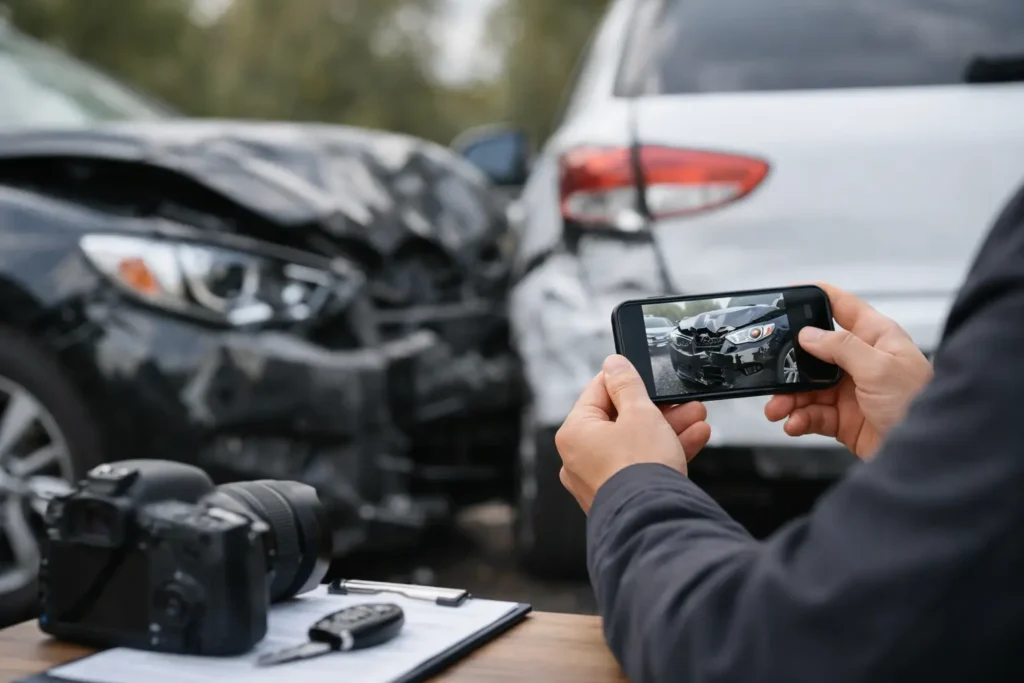
Photographs taken at the scene are often the most useful part of your documentation because they show the vehicles and surrounding conditions before anything changes. Use your phone camera, and take more photos than you think you need. You can always organize them later, but you cannot recreate the original scene once vehicles have been moved.

Begin with wide shots. Photograph all vehicles involved from several angles, including where they came to rest, their lane position if applicable, nearby intersections, traffic signals, road markings, signs, and visible debris. In a parking lot, capture parking-space lines, curbs, light poles, and anything else that establishes the setting.

Then move closer. Photograph each damaged area from a few feet away, followed by detailed images of scratches, dents, broken lamps, cracked bumpers, bent wheels, deployed airbags, leaking fluids, and shattered glass. Take photos in good light whenever possible. Desert sun can create harsh shadows, so step to different angles to make dents and paint transfer easier to see.

Do not put yourself in danger to get a better image. Stay out of traffic, do not stand near unstable vehicles, and wait for law enforcement if conditions are unsafe.

How to Document Vehicle Damage in Photos

Strong damage photos tell a complete story, not just a close-up story. A tight image of a cracked bumper may show the crack, but it may not show which corner of the vehicle was struck or how far the damage extends. Include both context and detail for every affected area.

For each side of your vehicle, take a full-length photo even if it appears undamaged. This establishes the vehicle’s overall condition and can make related damage easier to identify. Photograph the front, rear, roof, wheels, windshield, mirrors, and license plates. If the vehicle is not safe to drive, capture warning lights on the dashboard before turning it off, if it is safe to do so.

Use standard camera settings when you can. Avoid filters, portrait mode, or edits that alter color or remove detail. Keep the original image files and do not rely only on screenshots or images sent through text messages. Your phone will usually save the date and time automatically, which can be useful when records are reviewed.

Photos should also show visible damage to the other vehicle, but keep the interaction respectful. You do not need to argue about fault or photograph personal belongings. Focus on vehicle condition, license plates, and the scene.

Write Down Details Before Memory Fades

Photos are essential, but they do not capture everything. As soon as you can, create a written note on your phone or on paper. Record the date, time, exact location, weather, visibility, and road conditions. Note what you were doing immediately before the impact, such as waiting at a red light, turning into a driveway, or backing out of a space.

Write a plain, factual account of what you observed. For example: “I was stopped behind traffic on eastbound Highway 111 when my vehicle was hit from behind.” Avoid guessing, assigning blame, or writing conclusions you cannot support. Facts are more helpful than assumptions.

Also note anything unusual: a flashing traffic light, a blocked view, standing water, construction, a pothole, or a vehicle that left the scene. If a witness offers their contact information, record their name and phone number. Witnesses may not be available later, and their independent account can be valuable.

Collect the Right Information From Others

Exchange required information with the other driver without turning the roadside conversation into a dispute. Photograph or write down the driver’s name, phone number, address, driver’s license information, insurance company and policy number, and the vehicle’s license plate, make, model, and color.

If law enforcement responds, ask how to obtain the traffic collision report and write down the report number if one is available. A police report does not replace your own documentation, but it can preserve important details such as parties involved, witnesses, weather, and officer observations.

If the other driver cannot provide insurance information, remains at the scene, or leaves before information can be exchanged, notify law enforcement and your insurance carrier promptly. Do not pursue another vehicle. Your safety comes first.

Document Damage You Find Later

Not all collision damage is visible at the scene. A bumper can look mostly intact while brackets, sensors, absorbers, mounting points, or structural components behind it have been affected. You may also notice a pulling sensation, steering vibration, warning light, trunk misalignment, water leak, or unusual noise after you leave the scene.

Document these discoveries as soon as you notice them. Take new photos and make a dated note describing the symptom, where it occurs, and whether it is constant or intermittent. For example, note whether a vibration begins only at highway speeds or whether a warning light appeared after the impact.

Do not assume a small dent is only cosmetic. Modern vehicles often place cameras, radar components, parking sensors, and safety systems behind exterior panels. A qualified collision repair inspection can identify damage that photographs alone cannot confirm.

Preserve Records for Your Insurance Claim

Create one folder, either digital or paper, for every accident-related record. Keeping documents together makes conversations with your insurer and repair facility much easier. Include your photos, written notes, the police report information, witness details, tow receipt, rental paperwork, claim number, and every estimate or repair document you receive.

When speaking with an insurance representative, record the date, the person’s name, and a short note about what was discussed. Save emails and claim messages. If you are asked to send photos, provide clear copies but retain the originals.

It is wise to report a collision to your insurer promptly, even when damage seems minor. Policy requirements and claim timelines vary, so waiting can complicate the process. Your insurer can explain your coverage, deductible, rental options, and next steps based on your individual policy.

Avoid Repairs and Cleanup That Hide Evidence

Once the scene has been documented, it is understandable to want your vehicle to look normal again. Still, avoid washing away paint transfer, taping loose parts into place, or making repairs before the vehicle has been evaluated, unless immediate action is needed to prevent a safety hazard or further damage.

If rain, heat, or an exposed opening could damage the interior, take photos first and then use a temporary protective measure. Keep receipts for any emergency towing, protective covering, or necessary temporary repair. If the vehicle has fluid leaks, damaged lights, loose panels, airbag deployment, steering concerns, or tire and wheel damage, it should be inspected before driving.

A repair estimate may change after disassembly reveals hidden damage. That is not automatically a sign that something was missed. Some damage is simply impossible to see until exterior parts are removed and the full extent of the impact can be inspected.

Choose a Repair Partner That Explains What They Find

Accurate documentation helps start a claim, but a proper repair also depends on a thorough inspection. Ask the shop to explain visible damage, likely hidden damage, safety-related procedures, and how it will communicate with your insurance carrier. You deserve a detailed estimate and clear answers, whether the repair involves a bumper scuff or significant frame damage.

For drivers in Cathedral City and the surrounding Coachella Valley, CatCity Auto Body provides free estimates, insurance coordination, and certified collision repair support designed to make the process less complicated. The goal is not simply to make damage less visible. It is to restore the vehicle with attention to safety, fit, finish, and the repair procedures it requires.

After the immediate stress has passed, save one final set of photos before repairs begin and keep your records in one place. Those few careful minutes at the start can give you clearer choices and greater confidence throughout the repair process.
How to Document Vehicle Damage After a Crash

How to Document Vehicle Damage After a Crash

The moments after a collision can feel rushed, especially on a busy Coachella Valley road or in a crowded parking lot. Knowing how to document vehicle damage before the vehicles are moved, repaired, or towed can protect the details that matter later. Clear records help your insurance carrier understand what happened, give your repair facility a better starting point, and reduce avoidable confusion during an already stressful time.

Your first responsibility is safety. If anyone is injured, call 911. Move to a safe location if the vehicle can be driven and doing so will not create additional risk. Once everyone is safe and the situation is under control, begin collecting information calmly and thoroughly.

Start at the Scene, If It Is Safe

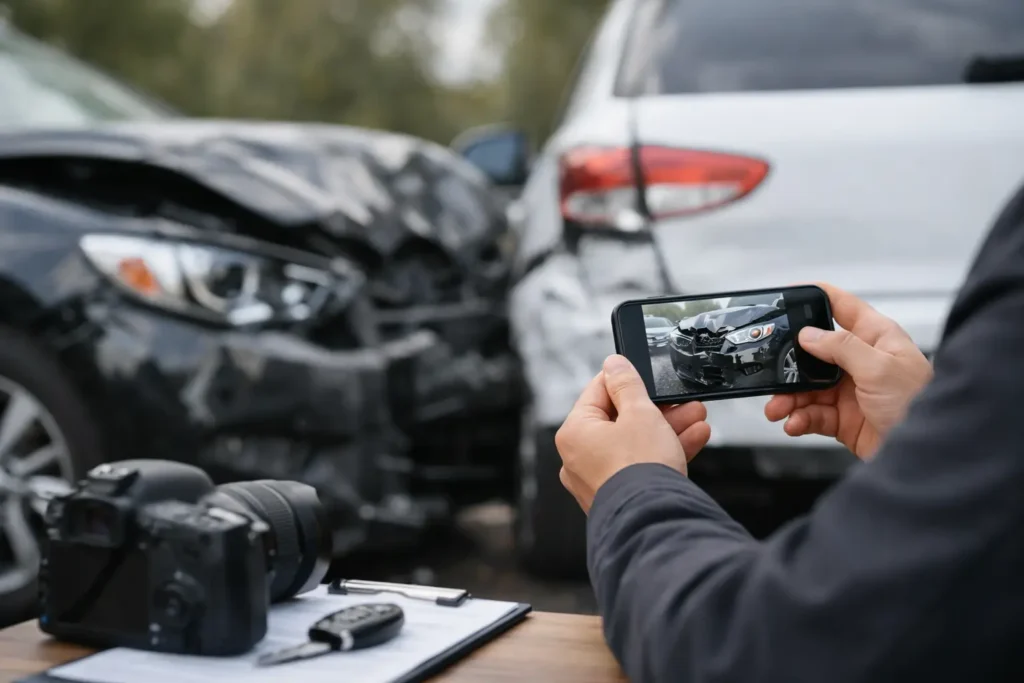
Photographs taken at the scene are often the most useful part of your documentation because they show the vehicles and surrounding conditions before anything changes. Use your phone camera, and take more photos than you think you need. You can always organize them later, but you cannot recreate the original scene once vehicles have been moved.

Begin with wide shots. Photograph all vehicles involved from several angles, including where they came to rest, their lane position if applicable, nearby intersections, traffic signals, road markings, signs, and visible debris. In a parking lot, capture parking-space lines, curbs, light poles, and anything else that establishes the setting.

Then move closer. Photograph each damaged area from a few feet away, followed by detailed images of scratches, dents, broken lamps, cracked bumpers, bent wheels, deployed airbags, leaking fluids, and shattered glass. Take photos in good light whenever possible. Desert sun can create harsh shadows, so step to different angles to make dents and paint transfer easier to see.

Do not put yourself in danger to get a better image. Stay out of traffic, do not stand near unstable vehicles, and wait for law enforcement if conditions are unsafe.

How to Document Vehicle Damage in Photos

Strong damage photos tell a complete story, not just a close-up story. A tight image of a cracked bumper may show the crack, but it may not show which corner of the vehicle was struck or how far the damage extends. Include both context and detail for every affected area.

For each side of your vehicle, take a full-length photo even if it appears undamaged. This establishes the vehicle’s overall condition and can make related damage easier to identify. Photograph the front, rear, roof, wheels, windshield, mirrors, and license plates. If the vehicle is not safe to drive, capture warning lights on the dashboard before turning it off, if it is safe to do so.

Use standard camera settings when you can. Avoid filters, portrait mode, or edits that alter color or remove detail. Keep the original image files and do not rely only on screenshots or images sent through text messages. Your phone will usually save the date and time automatically, which can be useful when records are reviewed.

Photos should also show visible damage to the other vehicle, but keep the interaction respectful. You do not need to argue about fault or photograph personal belongings. Focus on vehicle condition, license plates, and the scene.

Write Down Details Before Memory Fades

Photos are essential, but they do not capture everything. As soon as you can, create a written note on your phone or on paper. Record the date, time, exact location, weather, visibility, and road conditions. Note what you were doing immediately before the impact, such as waiting at a red light, turning into a driveway, or backing out of a space.

Write a plain, factual account of what you observed. For example: “I was stopped behind traffic on eastbound Highway 111 when my vehicle was hit from behind.” Avoid guessing, assigning blame, or writing conclusions you cannot support. Facts are more helpful than assumptions.

Also note anything unusual: a flashing traffic light, a blocked view, standing water, construction, a pothole, or a vehicle that left the scene. If a witness offers their contact information, record their name and phone number. Witnesses may not be available later, and their independent account can be valuable.

Collect the Right Information From Others

Exchange required information with the other driver without turning the roadside conversation into a dispute. Photograph or write down the driver’s name, phone number, address, driver’s license information, insurance company and policy number, and the vehicle’s license plate, make, model, and color.

If law enforcement responds, ask how to obtain the traffic collision report and write down the report number if one is available. A police report does not replace your own documentation, but it can preserve important details such as parties involved, witnesses, weather, and officer observations.

If the other driver cannot provide insurance information, remains at the scene, or leaves before information can be exchanged, notify law enforcement and your insurance carrier promptly. Do not pursue another vehicle. Your safety comes first.

Document Damage You Find Later

Not all collision damage is visible at the scene. A bumper can look mostly intact while brackets, sensors, absorbers, mounting points, or structural components behind it have been affected. You may also notice a pulling sensation, steering vibration, warning light, trunk misalignment, water leak, or unusual noise after you leave the scene.

Document these discoveries as soon as you notice them. Take new photos and make a dated note describing the symptom, where it occurs, and whether it is constant or intermittent. For example, note whether a vibration begins only at highway speeds or whether a warning light appeared after the impact.

Do not assume a small dent is only cosmetic. Modern vehicles often place cameras, radar components, parking sensors, and safety systems behind exterior panels. A qualified collision repair inspection can identify damage that photographs alone cannot confirm.

Preserve Records for Your Insurance Claim

Create one folder, either digital or paper, for every accident-related record. Keeping documents together makes conversations with your insurer and repair facility much easier. Include your photos, written notes, the police report information, witness details, tow receipt, rental paperwork, claim number, and every estimate or repair document you receive.

When speaking with an insurance representative, record the date, the person’s name, and a short note about what was discussed. Save emails and claim messages. If you are asked to send photos, provide clear copies but retain the originals.

It is wise to report a collision to your insurer promptly, even when damage seems minor. Policy requirements and claim timelines vary, so waiting can complicate the process. Your insurer can explain your coverage, deductible, rental options, and next steps based on your individual policy.

Avoid Repairs and Cleanup That Hide Evidence

Once the scene has been documented, it is understandable to want your vehicle to look normal again. Still, avoid washing away paint transfer, taping loose parts into place, or making repairs before the vehicle has been evaluated, unless immediate action is needed to prevent a safety hazard or further damage.

If rain, heat, or an exposed opening could damage the interior, take photos first and then use a temporary protective measure. Keep receipts for any emergency towing, protective covering, or necessary temporary repair. If the vehicle has fluid leaks, damaged lights, loose panels, airbag deployment, steering concerns, or tire and wheel damage, it should be inspected before driving.

A repair estimate may change after disassembly reveals hidden damage. That is not automatically a sign that something was missed. Some damage is simply impossible to see until exterior parts are removed and the full extent of the impact can be inspected.

Choose a Repair Partner That Explains What They Find

Accurate documentation helps start a claim, but a proper repair also depends on a thorough inspection. Ask the shop to explain visible damage, likely hidden damage, safety-related procedures, and how it will communicate with your insurance carrier. You deserve a detailed estimate and clear answers, whether the repair involves a bumper scuff or significant frame damage.

For drivers in Cathedral City and the surrounding Coachella Valley, CatCity Auto Body provides free estimates, insurance coordination, and certified collision repair support designed to make the process less complicated. The goal is not simply to make damage less visible. It is to restore the vehicle with attention to safety, fit, finish, and the repair procedures it requires.

After the immediate stress has passed, save one final set of photos before repairs begin and keep your records in one place. Those few careful minutes at the start can give you clearer choices and greater confidence throughout the repair process.