
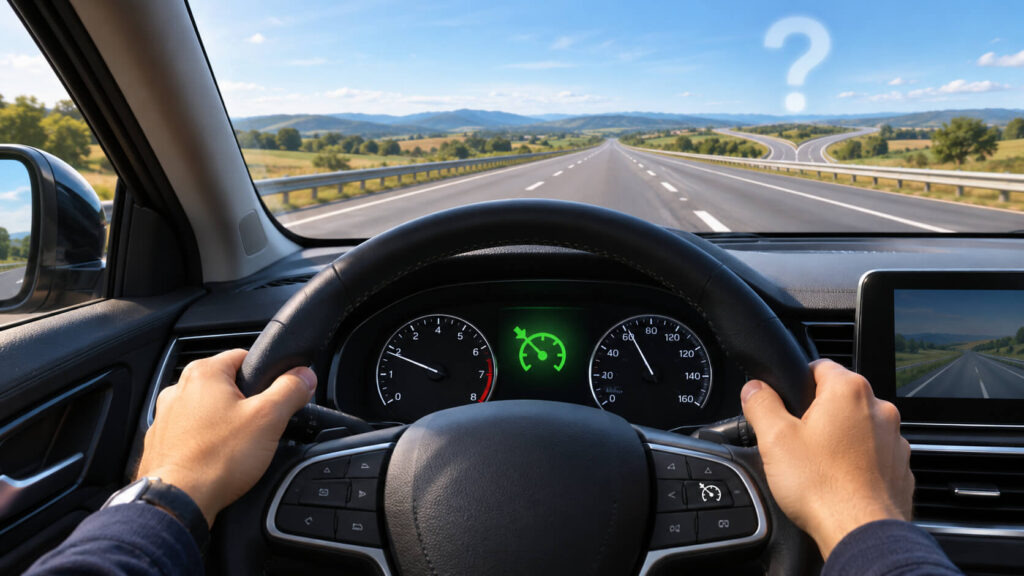
No, using cruise control regularly is not inherently bad for your car. In fact, it can improve fuel efficiency, maintain consistent highway speeds, and make long-distance driving more comfortable. However, using cruise control in every driving situation is not recommended. Heavy traffic, slippery roads, steep hills, sharp curves, and poor weather conditions can make it unsafe or less efficient.
Cruise control is designed to maintain a selected vehicle speed without requiring the driver to continuously press the accelerator. When used appropriately, it does not normally cause additional engine or transmission damage. However, relying on it too much can reduce your ability to respond quickly to changing road conditions if you become less attentive.
For drivers in Cathedral City and throughout the Coachella Valley, cruise control can be particularly useful on long highway journeys. However, understanding when to activate and deactivate the system is essential for maintaining safe driving habits and protecting your vehicle.
How Does Cruise Control Work in a Car?
Cruise control is an electronic vehicle feature that maintains a selected driving speed without requiring continuous pressure on the accelerator pedal.
When you activate the system, the vehicle’s electronic control system monitors its speed and adjusts engine power or throttle operation to maintain the speed you selected.
In many modern vehicles, cruise control works through electronic sensors and the engine control module. Older systems may use mechanical or vacuum-operated components.
Here is how the system generally works:
- Set your speed: Accelerate to your desired speed and activate the cruise control system.
- Maintain acceleration: The system adjusts throttle input to maintain the selected speed.
- Monitor vehicle speed: Sensors continuously measure the vehicle’s speed and send information to the control system.
- Adjust engine output: If the vehicle slows down, the system may increase engine power to return to the selected speed.
- Deactivate when necessary: Pressing the brake pedal or using the cancel button typically disengages standard cruise control.
Some newer vehicles also feature adaptive cruise control, which uses radar, cameras, or other sensors to monitor traffic ahead and automatically adjust vehicle speed.
Although these systems make driving more convenient, the driver remains responsible for steering, braking, monitoring traffic, and responding to unexpected hazards.
Is Using Cruise Control All the Time Bad for Your Car?
Using cruise control frequently does not automatically damage your vehicle. The system is designed for regular operation, particularly during highway driving. However, whether it is beneficial depends on the road conditions, driving environment, and how the system is used.
1. It Does Not Normally Damage the Engine
Cruise control does not force the engine to operate outside its normal capabilities. It simply manages throttle input to maintain the selected speed.
When driving on a relatively flat highway, the system can help maintain consistent engine operation and reduce unnecessary acceleration.
However, continuously maintaining a high speed on steep hills may require additional engine power. This can increase fuel consumption, although it does not mean cruise control itself is damaging the engine.
2. It Does Not Automatically Cause Transmission Damage
Modern cruise control systems are designed to work with the vehicle’s transmission. Automatic transmissions may shift gears when necessary to maintain the selected speed.
For example, when driving uphill, the transmission may downshift to provide additional power. This is generally a normal operating behavior.
However, repeatedly demanding acceleration on steep terrain can lead to frequent gear changes. In these situations, manually controlling your speed may provide a smoother driving experience.
3. It Can Improve Fuel Efficiency
One of the main advantages of cruise control is its ability to maintain a consistent speed.
Frequent acceleration and deceleration can increase fuel consumption. Cruise control helps reduce unnecessary speed changes, particularly on long, relatively flat highways.
However, it does not guarantee better fuel economy in every situation. On hilly roads, the system may use additional fuel to maintain a constant speed while climbing.
4. It Can Reduce Driver Fatigue
Maintaining the same speed for an extended period requires repeated accelerator adjustments. Cruise control reduces this task and can make long journeys more comfortable.
However, it should never be considered a replacement for driver attention. Having less work to do with the accelerator does not mean you can stop monitoring the road.
Drivers should take regular breaks during long journeys and avoid using cruise control when they feel sleepy or distracted.
When Should You Avoid Using Cruise Control?
Although cruise control is useful in suitable driving conditions, certain situations require direct control over your vehicle’s acceleration and speed.
Here are some situations when you should avoid using it.
1. During Heavy Rain or Slippery Road Conditions
Using cruise control on wet, icy, or slippery roads can increase the risk of losing traction.
If the tires encounter standing water or a slippery surface, maintaining automatic acceleration may make it harder to respond appropriately to changing traction conditions.
For example, during heavy rain, your tires may lose contact with the road surface because of hydroplaning. You need to control your speed manually and respond to road conditions.
Deactivate cruise control when driving through:
- Heavy rain
- Standing water
- Snow or ice
- Muddy roads
- Other slippery surfaces
2. In Heavy Traffic
Cruise control is designed to maintain a relatively consistent speed. Heavy traffic often requires frequent braking and acceleration.
Using standard cruise control in stop-and-go traffic can become inconvenient and may increase the risk of approaching slower vehicles without adjusting your speed promptly.
Although adaptive cruise control can adjust speed based on traffic ahead, it does not replace attentive driving or guarantee collision prevention.
3. On Steep Hills
Steep hills can make cruise control less efficient because the system attempts to maintain your selected speed regardless of changes in road elevation.
When climbing a hill, the engine may need additional power, potentially increasing fuel consumption.
On steep downhill roads, gravity can increase vehicle speed, and the driver may need to apply the brakes to maintain a safe speed.
Manually controlling the accelerator and brakes gives you more direct control over your vehicle in these conditions.
4. On Sharp Curves and Winding Roads
Sharp curves require drivers to adjust their speed according to road conditions and visibility.
Cruise control may maintain a speed that is too high for a particular turn. This can reduce your ability to navigate the curve safely, especially when road conditions are poor.
It is better to deactivate cruise control and manage your speed manually before entering sharp turns.
5. In Construction Zones
Construction areas often include changing speed limits, temporary lane markings, uneven surfaces, workers, and unexpected traffic movements.
Because these conditions require frequent speed adjustments, cruise control is generally unsuitable.
Maintain direct control of your vehicle and follow posted construction-zone speed limits.
6. When Driving on Unfamiliar Roads
Unfamiliar roads may have unexpected turns, changing speed limits, narrow lanes, or sudden traffic conditions.
Using cruise control may make it easier to overlook important changes in the driving environment.
Pay close attention to road signs, visibility, and surrounding traffic instead of relying on a preset speed.
Does Using Cruise Control Save Gas or Increase Fuel Consumption?
Cruise control can save fuel when used correctly, but the results depend on driving conditions and vehicle characteristics.
When you manually control acceleration, maintaining a consistent speed can be difficult. Small variations in throttle input may cause unnecessary acceleration and deceleration.
Cruise control reduces these variations by automatically adjusting the engine’s output to maintain a selected speed.
According to the U.S. Department of Energy’s FuelEconomy.gov, using cruise control on highways helps maintain a constant speed and, in most cases, saves fuel.
However, cruise control may not always deliver the best fuel economy.
When Cruise Control Can Save Fuel
- Driving on long, relatively flat highways.
- Maintaining a steady speed within legal limits.
- Avoiding unnecessary acceleration and deceleration.
- Traveling on roads with minimal traffic interruptions.
When Cruise Control May Increase Fuel Consumption
- Driving uphill, when additional engine power is needed.
- Traveling through mountainous areas with frequent elevation changes.
- Maintaining unnecessarily high speeds.
- Driving in traffic that requires repeated braking and acceleration.
The most effective approach is to use cruise control when road conditions allow consistent speeds and switch to manual driving when the environment changes.
Standard Cruise Control vs. Adaptive Cruise Control: What’s the Difference?
Many modern vehicles offer adaptive cruise control in addition to traditional cruise control.
Although both systems help maintain driving speed, they operate differently.
What Is Standard Cruise Control?
Standard cruise control maintains the speed selected by the driver.
It does not automatically monitor the distance between your vehicle and the vehicle ahead. You must manually brake or deactivate the system when traffic slows down.
This system is particularly useful for long-distance driving on highways with relatively consistent traffic conditions.
What Is Adaptive Cruise Control?
Adaptive cruise control (ACC) is a more advanced system that uses sensors, radar, or cameras to monitor vehicles ahead.
Depending on the vehicle and system capabilities, it can automatically reduce speed when approaching slower traffic and accelerate again when the road clears.
Some advanced systems can bring the vehicle to a complete stop and resume movement under certain conditions.
However, adaptive cruise control has limitations. Sensors may be affected by weather, road conditions, visibility, or objects they cannot properly recognize.
The driver must remain attentive and ready to take control.
Comparison of Both Systems
| Feature | Standard Cruise Control | Adaptive Cruise Control |
| Maintains selected speed | Yes | Yes |
| Monitors vehicles ahead | No | Yes, using available sensors |
| Automatically adjusts following speed | No | Yes, within system capabilities |
| Automatically maintains following distance | No | Yes, within system capabilities |
| Requires driver attention | Yes | Yes |
| Suitable for highway driving | Yes | Yes |
| Replaces manual braking | No | No |
7 Best Practices for Using Cruise Control Safely
Using cruise control properly can make driving more comfortable while helping you maintain consistent speeds.
Follow these practical recommendations:
1. Use It Primarily on Highways
Cruise control works best on long, relatively straight roads with consistent speed limits and predictable traffic conditions.
Avoid activating it when frequent braking or acceleration is necessary.
2. Set a Legal and Appropriate Speed
Always choose a speed that complies with posted speed limits and is appropriate for traffic, visibility, and road conditions.
Cruise control should never encourage speeding.
3. Keep Your Attention on the Road
Even when the system controls acceleration, you remain responsible for the vehicle.
Keep your eyes on surrounding traffic, monitor road signs, and remain prepared to brake or steer when necessary.
4. Maintain a Safe Following Distance
Do not follow another vehicle too closely simply because your cruise control is maintaining a constant speed.
Allow enough space to respond if the vehicle ahead suddenly slows down.
5. Turn It Off in Poor Weather
Avoid using cruise control during heavy rain, snow, ice, or other slippery conditions.
Manual speed control allows you to respond more directly to changes in road traction.
6. Take Breaks During Long Journeys
Cruise control can reduce the effort required to maintain speed, but it cannot prevent driver fatigue.
Take regular breaks, stay alert, and never continue driving when you feel sleepy.
7. Understand Your Vehicle’s Cruise Control System
Different manufacturers offer different cruise control features and operating limitations.
Read your owner’s manual to understand the system’s controls, braking behavior, sensor limitations, and recommended operating conditions.
Frequently Asked Questions
No. Using cruise control every day is not inherently bad for your vehicle. It is designed for regular use and can help maintain consistent highway speeds. However, avoid using it in heavy traffic, poor weather, steep hills, and other situations where manual speed control is safer.
No, normal cruise control operation does not generally damage your engine. The system manages throttle input to maintain the selected speed within the vehicle’s operating capabilities. However, maintaining speed on steep hills may require additional engine power and increase fuel consumption.
Cruise control is designed to operate with automatic transmissions. The transmission may shift gears when additional power is required, such as when climbing a hill. This is generally normal operation. However, repeatedly using cruise control on steep terrain may cause frequent gear changes.
Not necessarily. Cruise control often saves fuel on flat highways because it maintains consistent speeds and reduces unnecessary acceleration. However, it may use more fuel on hilly roads when the system continuously increases engine power to maintain the selected speed.
Standard cruise control is generally not recommended for busy city driving. Urban roads often require frequent braking, acceleration, turning, and speed adjustments. These conditions make manual control more practical and safer.
You can use cruise control on moderate hills when road conditions are suitable, but it may not always be the most fuel-efficient option. On steep hills, the system may increase engine power or cause frequent transmission downshifting. Manual speed control is often preferable.
Cruise control does not automatically cause accidents, but improper use can increase driving risks. Using it during slippery conditions, heavy traffic, sharp turns, or poor visibility can make it harder to respond appropriately. Drivers must remain alert and ready to take control.
Adaptive cruise control offers additional convenience because it can adjust speed based on traffic ahead. However, it has limitations and does not replace driver attention. Both systems can be useful on suitable roads when operated according to the manufacturer’s instructions.
Final Thoughts
Using cruise control regularly is not bad for your vehicle when road conditions are appropriate. It can help maintain consistent highway speeds, improve fuel efficiency in suitable conditions, and make long-distance journeys more comfortable.
However, using it in every driving situation is not recommended. Heavy traffic, slippery roads, steep hills, sharp curves, and construction zones require greater direct control over your vehicle.
The best approach is to treat cruise control as a driving convenience rather than a replacement for attentive driving. Understand your vehicle’s system, follow the manufacturer’s recommendations, and adjust your driving habits according to road and weather conditions.
At Cat City Auto Body, we understand that maintaining vehicle safety involves more than just keeping the engine running. Proper vehicle care also includes inspecting exterior components, identifying collision damage, and addressing structural concerns.
If your vehicle has sustained damage in an accident, explore our Collision Repair Services to learn about available repair options. You can also contact Cat City Auto Body for assistance with collision-related vehicle damage.