
No, using cruise control regularly is not inherently bad for your car. In fact, it can improve fuel efficiency, maintain consistent highway speeds, and make…
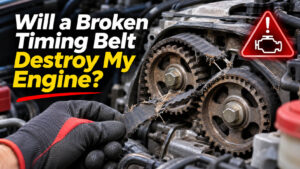
Yes, a broken timing belt can destroy your engine, but the extent of the damage depends on your vehicle’s engine design. If your car has…
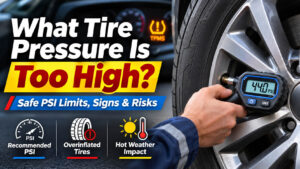
Tire pressure is too high when it exceeds the vehicle manufacturer’s recommended PSI (pounds per square inch) for the specific tire and driving conditions. There…
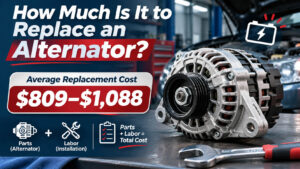
If your headlights are flickering, your battery keeps dying, or a battery warning light appears on your dashboard, your alternator may be failing. Understanding alternator…
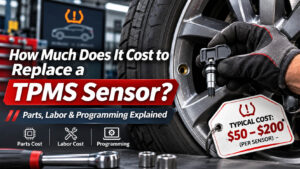
If your tire pressure warning light stays on even after inflating your tires, you may have a faulty Tire Pressure Monitoring System (TPMS) sensor. Naturally,…
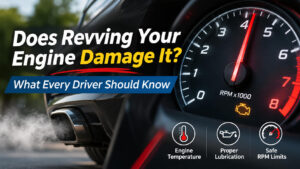
Revving your engine does not automatically cause damage, but excessive or improper revving can increase engine wear and potentially lead to mechanical problems. The risk…

If your manufacturer’s warranty has expired, unexpected vehicle repairs can become a major financial concern. CarShield offers vehicle service contracts designed to help pay for…
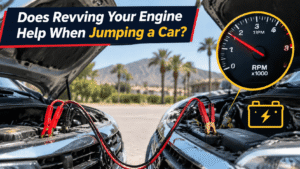
When jump-starting a car with a dead battery, revving the engine of the working vehicle can help increase the alternator’s electrical output. However, it is…
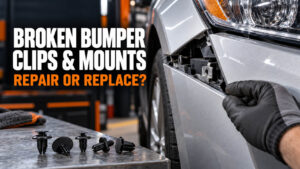
A dented fender can leave you wondering whether a body shop can reshape the panel or whether you need a replacement. The answer depends on…
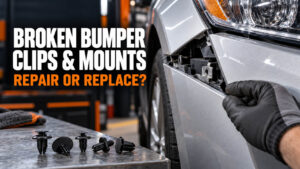
A bumper corner that keeps popping out can make your vehicle look damaged, even when the paint is still in good condition. The problem may…