
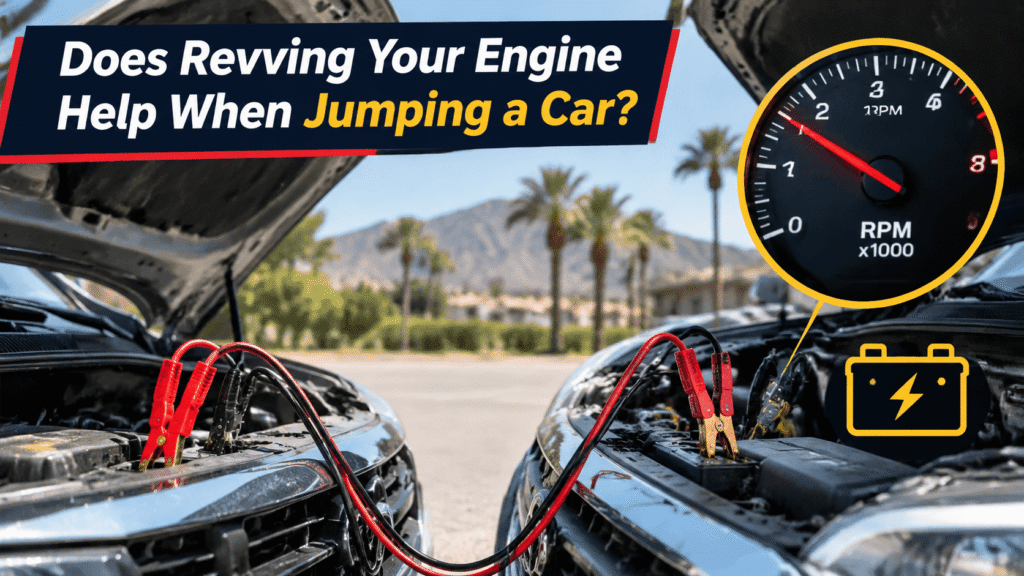
When jump-starting a car with a dead battery, revving the engine of the working vehicle can help increase the alternator’s electrical output. However, it is not always necessary, and pressing the accelerator too hard will not automatically make a dead battery start faster.
Yes, moderately revving the engine of the donor vehicle can help when jump-starting a car because the alternator spins faster and may produce more electrical power. However, many vehicles can provide enough power at idle. Always follow the manufacturer’s jump-starting instructions, as the recommended engine speed varies by vehicle.
Understanding how the alternator, battery, and jumper cables work together can help you avoid common mistakes and jump-start a vehicle more safely.
Does Revving Your Engine Actually Help When Jumping a Car?
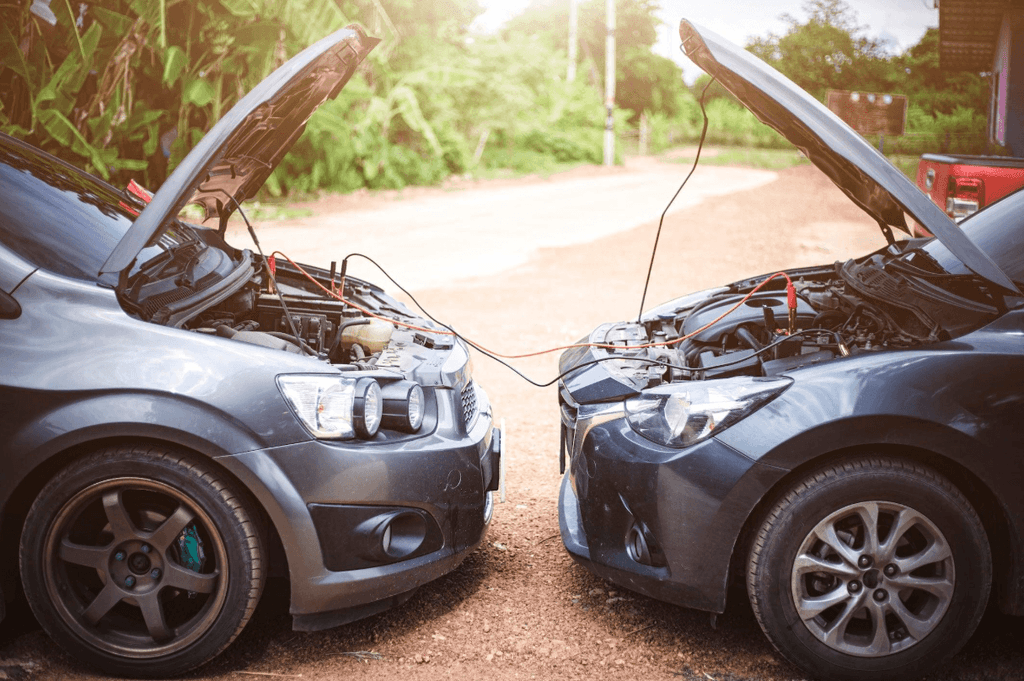
Yes, it can help, but the difference is usually modest.
The working vehicle (also called the donor vehicle) uses its alternator to generate electricity while its engine runs. That electrical power supports the vehicle’s systems and helps supply current through the jumper cables to the vehicle with the discharged battery.
When you gently increase the donor engine’s RPM, the alternator spins faster. Depending on the alternator design and voltage regulation system, this can increase its available electrical output.
However, there is an important distinction: more engine RPM does not guarantee that the dead battery will recover faster or that the disabled vehicle will start immediately.
The result depends on several factors:
- Battery condition: A deeply discharged, damaged, or aging battery may not accept enough charge to start the engine.
- Alternator capacity: Different alternators provide different amounts of electrical output.
- Jumper cable quality: Thin, damaged, or poorly connected cables can restrict current flow.
- Vehicle electronics: Modern charging systems regulate alternator output based on electrical demand and operating conditions.
- Temperature: Cold weather can reduce battery performance and make starting more difficult.
For example, some Ford owner manuals recommend moderately increasing the donor engine speed to approximately 2,000–3,000 RPM during a jump-start. Other vehicles specify letting the donor engine idle.
This is why your vehicle’s owner’s manual should always take priority over general jump-starting advice.
How Does Revving Increase Alternator Output?
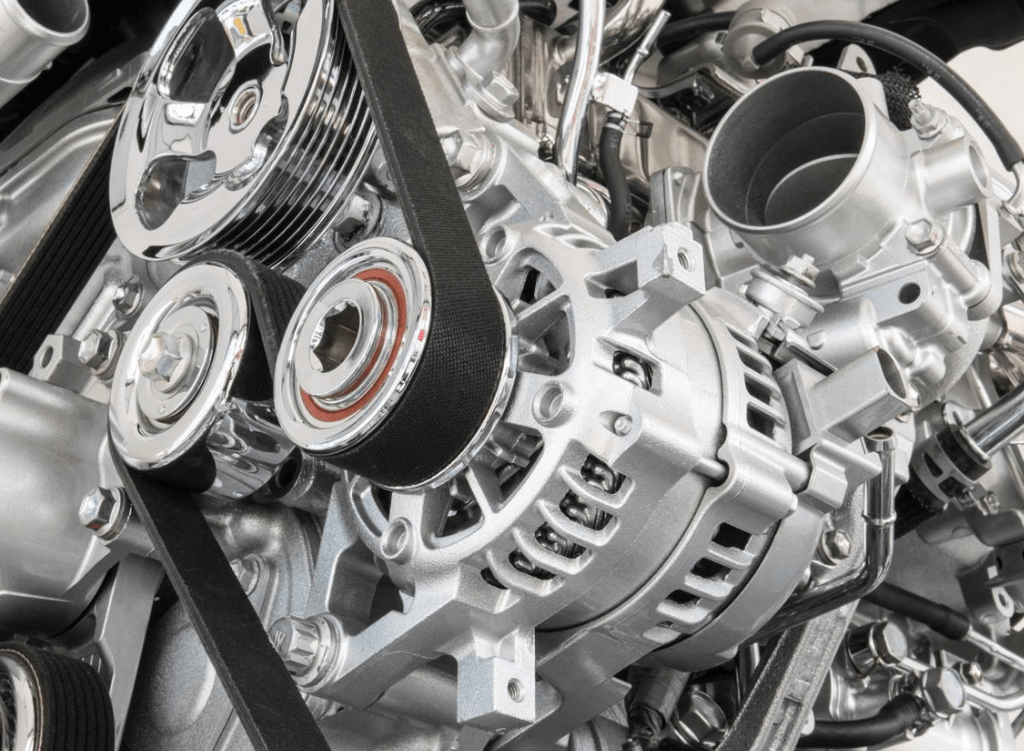
To understand why revving can help, it is useful to understand the relationship between the engine, alternator, and battery.
The alternator is an engine-driven electrical generator. A belt connected to the engine turns the alternator, allowing it to produce electricity while the engine runs.
Here is how the system works:
- Engine rotation: The running engine turns the alternator through its drive belt.
- Alternator operation: The alternator converts mechanical energy into electrical energy.
- Voltage regulation: The vehicle’s charging system regulates electrical output to meet system requirements.
- Battery support: Electrical power supports the vehicle’s electrical systems and helps recharge the battery.
- Jump-start assistance: With correctly connected jumper cables, the donor vehicle’s electrical system helps provide the power needed to start the disabled vehicle.
When engine RPM increases, alternator speed generally increases too. This can improve available output, particularly when the alternator is operating at a low speed.
However, modern alternators use voltage regulators, so their output does not increase indefinitely with engine RPM.
Visual explanation: A simple diagram showing Engine → Drive Belt → Alternator → Electrical Power → Battery and Vehicle Electrical System would help readers understand this relationship.
Should You Rev the Donor Car or the Dead Car?
You should only consider gently increasing the engine speed of the donor vehicle, not the vehicle with the dead battery.
The donor vehicle has a running engine and functioning alternator. The disabled vehicle cannot generate alternator power until its engine starts.
| Vehicle | Should You Rev It? | Reason |
| Donor vehicle | Sometimes, moderately | May increase alternator output |
| Vehicle with dead battery | No | Its engine is not running |
| Hybrid donor vehicle | Follow its owner’s manual | Its charging system operates differently |
| Electric vehicle | Follow manufacturer instructions | EV auxiliary battery systems require specific procedures |
Some hybrid vehicles do not require accelerator input during jump-starting. Never assume that a conventional gasoline-car procedure applies to every hybrid or electric vehicle.
How to Jump-Start a Car Safely: Step-by-Step Guide
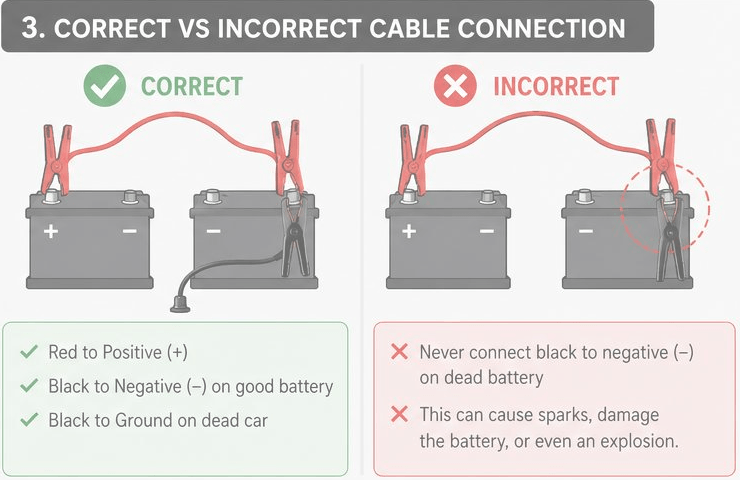
Knowing the correct jump-starting procedure is more important than revving the engine.
Before connecting jumper cables, check both vehicles’ owner’s manuals. Some vehicles have designated jump-starting terminals and specific connection requirements.
Step 1: Position Both Vehicles
Park the working vehicle close enough for the jumper cables to reach the disabled vehicle.
- Keep the vehicles from touching each other.
- Put both vehicles in Park or Neutral, as appropriate.
- Apply the parking brakes.
- Switch off both ignitions and electrical accessories before connecting the cables.
Step 2: Check the Batteries
Inspect both batteries before attempting a jump-start.
Do not attempt to jump-start a battery that is cracked, leaking, swollen, visibly damaged, or suspected of being frozen.
Wear appropriate eye protection and keep sparks, flames, and smoking materials away from the batteries.
Step 3: Connect the Jumper Cables
For a conventional 12-volt vehicle using standard jumper cables, the usual connection sequence is:
- Connect the red positive (+) clamp to the positive terminal of the discharged battery.
- Connect the other red positive (+) clamp to the positive terminal of the donor battery.
- Connect the black negative (-) clamp to the negative terminal of the donor battery.
- Connect the remaining black negative (-) clamp to the designated grounding point on the disabled vehicle, away from its battery.
Always use the manufacturer’s designated connection points. Some vehicles require a different arrangement.
Step 4: Start the Donor Vehicle
Start the working vehicle and allow its engine to run.
Depending on the manufacturer’s instructions, it may be appropriate to let the engine idle or gently increase the engine speed.
Some Ford models specify approximately 2,000–3,000 RPM. This is not a universal recommendation for all vehicles.
Step 5: Attempt to Start the Disabled Vehicle
After allowing the battery some time to receive assistance, try starting the disabled vehicle.
Avoid repeatedly cranking the starter for extended periods. If the vehicle does not start after a few attempts, stop and investigate the cause.
A failed jump-start may indicate a severely discharged battery, poor cable connections, a faulty starter, or another electrical or mechanical problem.
Step 6: Disconnect the Jumper Cables
Once the disabled vehicle starts, follow the manufacturer’s instructions for disconnecting the cables.
For the conventional grounding arrangement described above, remove the cables in reverse order:
- Black clamp from the disabled vehicle’s grounding point.
- Black clamp from the donor battery.
- Red clamp from the donor battery.
- Red clamp from the previously discharged battery.
Keep the clamps separated throughout the process.
Step 7: Check the Battery After Starting
A successful jump-start does not mean the battery is fully charged.
Have the battery and charging system tested to determine whether the battery can hold a charge and whether the alternator is working correctly.
What Happens If You Rev the Engine Too Much During a Jump-Start?
Pressing the accelerator aggressively is unnecessary and may create additional risks.
Here are some common problems to avoid:
1. Unnecessary engine stress
High engine RPM provides little benefit when a moderate increase is all that the manufacturer’s procedure requires.
2. Electrical system concerns
Incorrect jump-starting procedures, poor connections, and incompatible electrical systems can damage sensitive vehicle electronics.
3. Battery-related hazards
A damaged or improperly connected battery can produce sparks, release hazardous gases, or even explode.
4. Distraction and unsafe working conditions
Focusing on the accelerator instead of monitoring the cable connections and engine compartment can increase the risk of an accident.
The safest approach is to follow the manufacturer’s instructions, use the correct connection points, and avoid excessive engine speed.
What If Revving Does Not Help Start the Car?
If the disabled vehicle still refuses to start, increasing the donor engine’s RPM further is unlikely to solve the underlying problem.
The issue may be related to another component of the vehicle’s starting or charging system.
Here are some possible causes:
| Possible Problem | Common Symptoms |
| Bad battery | Repeated clicking, weak starting, or no electrical power |
| Faulty alternator | Battery warning light, electrical problems, or repeated battery discharge |
| Damaged starter motor | Clicking without the engine turning over |
| Corroded battery terminals | Poor electrical contact or intermittent starting |
| Loose battery connections | Unstable electrical power |
| Electrical system fault | Repeated battery drainage or unexpected warning lights |
If the engine starts with a jump but the battery repeatedly loses power, have the battery and alternator tested rather than relying on repeated jump-starts.
How Long Should You Run Your Car After a Jump-Start?
After a successful jump-start, the engine needs time to operate the alternator and recharge the battery.
A continuous drive of approximately 20–30 minutes may help restore some charge, depending on the battery’s condition, the alternator’s output, and the vehicle’s electrical demand.
However, this does not guarantee a full recharge.
A deeply discharged battery may require a dedicated battery charger. A battery that cannot hold a charge may need replacement.
If the battery warning light stays on, the engine stalls, or electrical systems behave abnormally, have the vehicle inspected rather than continuing to drive.
Final Thoughts
Revving the donor vehicle can increase alternator speed and may provide additional electrical output during a jump-start. However, it is not always necessary, and excessive revving does not guarantee a successful start.
The most important factors are using compatible vehicles, following the correct cable connection sequence, allowing sufficient time for the discharged battery to receive assistance, and checking the battery afterward.
If your vehicle repeatedly needs jump-starts, do not assume the battery is the only problem. A professional battery and charging system inspection can help identify the actual cause and prevent another unexpected breakdown.
Frequently Asked Questions (FAQs)
It can help increase alternator output, but the improvement depends on the vehicle’s charging system. A moderate increase in RPM may help, but excessive revving is unnecessary.
Yes, if the manufacturer’s procedure calls for it. The donor vehicle generally needs to be running to supply power through its alternator. Some hybrid vehicles have different operating procedures.
There is no universal RPM recommendation. Some Ford models specify approximately 2,000–3,000 RPM, while other manufacturers recommend idling. Always check your owner’s manual.
Normal, moderate engine speed within the manufacturer’s recommended range should not damage a properly functioning alternator. Excessive revving is unnecessary and should be avoided.
Possible causes include a severely discharged or damaged battery, corroded battery terminals, faulty jumper cable connections, a defective starter motor, or a charging system problem.
There is no single time that applies to every vehicle. Follow the manufacturer’s instructions and allow sufficient time for the discharged battery to receive assistance before attempting to start the engine.
Sometimes. However, a deeply discharged or damaged battery may not accept enough charge to start the engine. A professional battery test or dedicated battery charger may be necessary.