
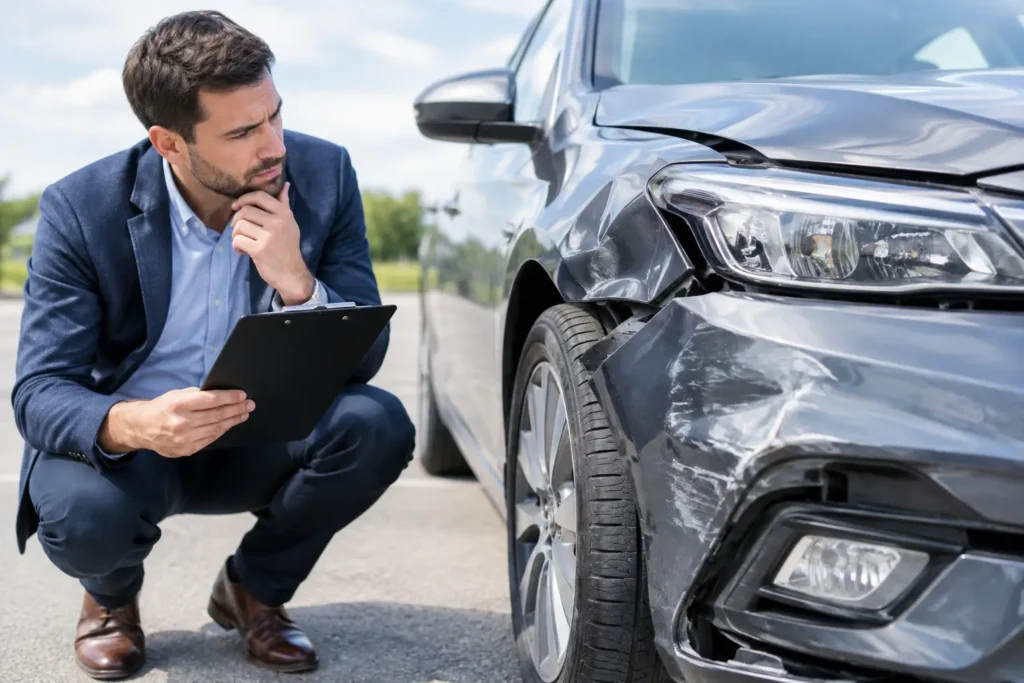
A vehicle can look excellent after collision repairs and still be worth less than it was before the accident. That potential loss is called diminished value, and it is a concern for many Coachella Valley drivers after a crash that was not their fault. If you plan to sell, trade in, or lease-return your vehicle later, an accident history may affect what a buyer is willing to pay, even when the repairs were completed correctly.
The good news is that a quality repair and clear documentation can protect your vehicle’s condition, safety, and long-term marketability. Understanding what diminished value means can also help you ask better questions while your repair and insurance claim are being handled.
What Is Diminished Value?
Diminished value is the difference between a vehicle’s market value immediately before an accident and its market value after it has been repaired. It is not the same thing as the cost of repairs. Your insurer may pay to repair a damaged bumper, replace a fender, repaint a panel, or correct frame damage, but a future buyer may still see the vehicle’s accident history and offer less because of it.
This issue is especially common with newer vehicles, luxury models, low-mileage cars, and vehicles with a strong resale reputation. A buyer may worry about hidden damage, future reliability, color matching, or whether safety systems were restored correctly. Those concerns can exist even when the repair was performed to professional standards.
A repaired vehicle is not automatically worth less in every sale. Local market demand, the severity of the collision, the vehicle’s age, mileage, condition, and the quality of its repair records all matter. Still, diminished value is worth considering if the accident was significant or if your vehicle had substantial value before the loss.
The Three Types of Diminished Value
People often use the term broadly, but diminished value can describe three different situations.
Immediate diminished value is the reduction in market value right after the collision, before any repairs take place. A heavily damaged vehicle generally has a lower value than the same vehicle in pre-accident condition.
Inherent diminished value is the concern most drivers mean. It is the remaining loss in value after proper repairs are completed. The vehicle is repaired and safe to drive, but it now has a documented accident history that could affect a future buyer’s decision.
Repair-related diminished value can occur when repairs are incomplete, poorly performed, or visibly detectable. Paint that does not match, uneven panel gaps, warning lights, wind noise, poor alignment, or unresolved mechanical concerns may reduce resale value beyond the accident history itself.
The last category is one reason repair quality matters so much. Proper collision repair is not just about making a vehicle look better. It involves restoring structural integrity, safety components, fit and finish, and manufacturer-recommended procedures when applicable.
Why Quality Repairs Matter to Vehicle Value
You cannot erase an accident from a vehicle history report, but you can avoid adding repair-related concerns to the record. A careful repair process helps show that the vehicle was restored responsibly rather than rushed through a cosmetic fix.
For example, modern vehicles often have sensors, cameras, radar components, airbags, and advanced driver-assistance systems behind bumpers, windshields, grilles, and mirrors. Repairs may require more than replacing visible parts. Depending on the damage, technicians may need to inspect structural areas, measure the frame or unibody, scan for diagnostic trouble codes, and complete calibrations required after repairs.
Keep all paperwork from the repair. A detailed final invoice can show what parts were replaced, what procedures were performed, and whether the vehicle received necessary inspections or calibrations. Clear records will not guarantee a future buyer pays full pre-accident value, but they offer practical proof that the repair was handled with care.
At CatCity Auto Body, Inc., I-CAR and ASE-certified technicians use professional repair methods and equipment to address both visible and underlying collision damage. For drivers in Cathedral City, Palm Springs, Palm Desert, Rancho Mirage, and nearby communities, that attention to detail can make a meaningful difference after an accident.
Can You File a Diminished Value Claim in California?
It depends on who caused the accident, the insurance coverage involved, and the facts of the loss. In California, a driver who was not at fault may seek diminished value damages from the at-fault driver’s liability insurer. These are commonly called third-party claims.
First-party claims, meaning a claim against your own insurer under your own policy, can be more complicated. Your policy language, coverage type, and the circumstances of the loss matter. There is no single California formula that automatically determines diminished value, and an insurer is not required to accept a number simply because a vehicle was involved in an accident.
Insurance companies may consider the vehicle’s pre-loss condition, mileage, market value, prior damage, the severity of the collision, repair invoices, and comparable sales data. They may also dispute whether a claimed reduction in value is supported by evidence. For that reason, a diminished value claim is often more realistic for a newer, higher-value vehicle with low mileage and a clean pre-accident history than for an older vehicle with prior damage or limited resale value.
If there were injuries, disputed fault, a serious loss, or a disagreement about compensation, consider speaking with a qualified California attorney or insurance professional. A body shop can document repairs and explain the work performed, but it cannot provide legal advice or promise an insurance settlement.
Documentation That Can Support Your Claim
Strong documentation helps you present a clearer case to an insurer. Start gathering records early, ideally before repairs begin, and save everything in one place. Useful materials may include:
- Photos of the vehicle before repairs and after repairs are complete
- The police or incident report, if one was prepared
- The insurance estimate, supplements, and final repair invoice
- Photos showing the collision damage
- Maintenance records and proof of the vehicle’s pre-accident condition
- Vehicle valuation information, comparable listings, or a professional diminished value appraisal
Before signing any release or settlement paperwork, read it carefully. Some agreements may settle all property-damage claims arising from the accident, which could include a diminished value claim. If the language is unclear, ask the adjuster for an explanation or seek professional guidance before you sign.
Practical Steps After a Collision
Your first priority after an accident is safety. Once everyone is safe and the claim process begins, choose a repair facility that communicates clearly about the damage and repair plan. Ask for a detailed estimate, and do not hesitate to ask what repairs are necessary for safety, appearance, and vehicle operation.
Take photos of the vehicle before work begins if you can do so safely. Keep copies of emails, estimates, claim numbers, rental records, and final invoices. If additional damage is found after disassembly, ask for an updated explanation of the supplement and how it affects the repair timeline.
After you pick up your vehicle, inspect it in good lighting. Check that panels align properly, paint looks consistent, warning lights are off, and the vehicle drives normally. If something does not seem right, report it promptly. Reputable collision repair facilities stand behind their work and should address reasonable concerns.
A Careful Repair Is the Best Place to Start
Diminished value can be frustrating because even a well-repaired vehicle may carry an accident history into the future. Still, a professional repair, complete records, and a thoughtful approach to your insurance claim put you in a far stronger position than accepting uncertainty or incomplete work. Start with a detailed repair estimate, keep your documentation, and give your vehicle the same attention you would expect before trusting it with your daily commute or family.