
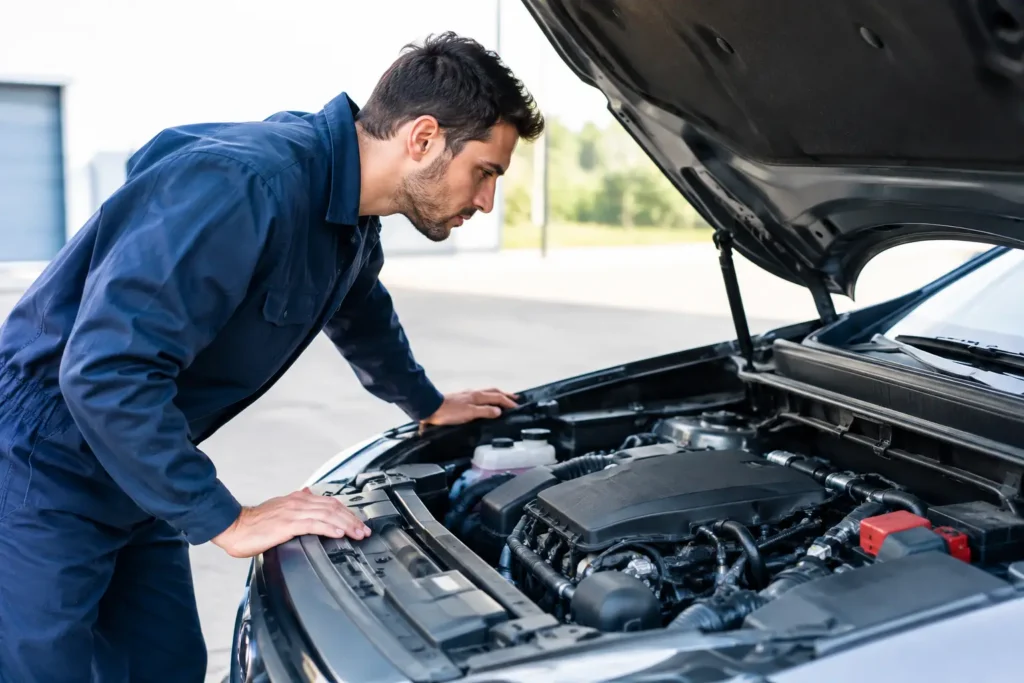
Your vehicle may look like itself again, but appearance is only one part of a proper collision repair. The best post repair safety checks help confirm that the systems protecting you, your passengers, and everyone around you are working as intended before regular driving resumes.
After an accident, it is reasonable to feel eager to get back to work, school, appointments, and family responsibilities. A quality repair should make that return easier, not leave you wondering whether something was missed. Taking a few careful minutes at pickup and during your first drives can give you useful peace of mind and help identify concerns early.
Best Post Repair Safety Checks at Vehicle Pickup
Start with a walk-around before leaving the repair facility. Look at the repaired area in good daylight when possible. The paint color should blend naturally with adjacent panels, and the panel gaps around doors, the hood, trunk, fenders, and bumpers should appear even. A small variation can occur between vehicle designs, but a panel that sits noticeably high, low, or uneven deserves a question.
Open and close any doors, hatch, trunk, or hood affected by the collision. They should latch securely without needing to be slammed, lifted, or forced. Pay attention to weatherstripping as well. Loose seals can allow wind noise or water into the cabin, especially during the occasional heavy desert rain.
Check that exterior equipment works before you pull away. This includes headlights, high beams, turn signals, brake lights, reverse lights, hazard lights, fog lights if equipped, and the license plate light. If the repair involved a bumper, mirror, quarter panel, or front-end area, these simple checks are particularly worthwhile because wiring and sensors may be located behind those panels.
Inside the vehicle, verify that the horn, windshield wipers, washers, power windows, locks, mirrors, seat adjustments, and climate controls operate normally. If an airbag deployed in the accident, confirm that the airbag warning light performs its normal startup check and does not remain illuminated. A warning light is not something to ignore or wait out.
Confirm Warning Lights and Safety Features
Modern vehicles rely on networks of sensors, cameras, modules, and wiring. A collision that appears limited to a bumper or fender can affect equipment that drivers depend on every day. When you start the vehicle, look at the instrument panel before focusing on the road ahead.
The check-engine light, ABS light, traction-control light, brake warning light, steering warning light, airbag light, and tire-pressure light should not stay on unless you were specifically told about an unrelated condition. If a light remains on, contact the repair facility promptly so the concern can be documented and evaluated.
Advanced driver-assistance systems also deserve attention. Depending on your vehicle, that may include forward collision warning, automatic emergency braking, lane-departure alerts, blind-spot monitoring, parking sensors, a backup camera, or adaptive cruise control. Repairs involving a windshield, grille, bumper, mirror, wheel alignment, suspension, or front structure may require calibration of one or more systems.
Calibration is not a cosmetic step. A camera or radar sensor that is slightly out of position can cause an alert to occur too late, too early, or not at all. Ask whether your vehicle required a pre-repair and post-repair scan, whether any safety systems were calibrated, and whether there are manufacturer procedures relevant to your repair. The answer depends on the vehicle, the damage location, and the parts involved.
Take a Deliberate First Drive
Your first drive should be purposeful but low pressure. Before merging onto a busy Coachella Valley roadway or taking a long freeway trip, spend a few minutes on familiar local streets where you can safely observe the vehicle.
As you drive, pay attention to these signs:
- The steering wheel should feel centered when driving straight on a level road.
- The vehicle should track straight without pulling sharply to one side.
- Brakes should respond smoothly without vibration, grinding, pulling, or an unusually soft pedal.
- There should be no new rattles, scraping, clunking, wind noise, or vibration at normal speeds.
- The engine temperature gauge should remain in its normal range, with no unusual odors or visible fluid leaks.
- The backup camera, parking alerts, and dashboard messages should behave normally when used.
One isolated sound may have a simple explanation, such as an item left loose in the cabin. Still, new or repeatable noises should be reported. Do not assume that a pull, vibration, or braking concern will improve with more driving. Safety-related symptoms require a timely inspection.
A brief highway drive can be useful after the initial neighborhood check, particularly after frame, suspension, wheel, or alignment work. At a safe speed, notice whether the vehicle remains stable and whether the steering wheel shakes. Avoid testing brakes aggressively or trying to recreate accident conditions. The purpose is to observe normal operation, not to push the vehicle.
Inspect Tires, Wheels, and Alignment Clues
Tires and wheels often absorb forces that are not obvious from the outside. Even a low-speed curb strike or side impact can affect a wheel, tire, alignment angle, or suspension component. Inspect each tire for low pressure, cuts, bulges, or fresh sidewall damage. If your vehicle provides individual tire-pressure readings, compare them to the recommended pressure listed on the driver-side door placard.
Look closely at repaired-side wheels for curb damage or missing center caps, and make sure no wheel appears to rub against the tire or body. After several days of normal driving, recheck for vibration and pulling. Alignment problems can reveal themselves gradually through uneven tire wear, especially if the vehicle had suspension or structural damage.
It also helps to confirm that the spare tire, jack, wheel wrench, cargo floor panels, and emergency equipment are back in place. These items are sometimes removed to access repair areas or inspect the vehicle, and they matter when you need them most.
Review Your Repair Documents Before You File Them Away
A professional repair order tells the story of the work completed. Review it while the repair details are still fresh. You do not need to understand every part number, but you should be able to identify the damaged areas addressed, the major parts replaced or repaired, paint work completed, and any calibrations or alignment work performed.
Ask about the repair warranty and keep the final invoice, estimate, photos, and insurance paperwork together. If a concern appears later, those documents make it easier to explain what happened and when. They can also be useful if you sell the vehicle or need future service related to the same area.
If an insurer handled your claim, make sure you understand whether there are any supplements, deductible questions, rental return requirements, or remaining paperwork. A clear repair process should not leave you guessing about the next step.
When to Call the Repair Shop Right Away
Call rather than waiting if you see a warning light, smell fuel or burning material, notice a fluid leak, experience brake or steering trouble, hear metal-on-metal scraping, or find that a door, hood, trunk, or hatch will not latch correctly. These are not items to monitor casually.
For smaller concerns, such as a trim piece that seems loose, a sensor message, paint overspray, or a new wind noise, contact the shop as soon as practical. Photos and short notes about when the issue occurs can be helpful. A trusted repair facility will want the opportunity to inspect the vehicle and make things right.
At CatCity Auto Body, every repair receives careful attention because safe, dependable transportation matters to families, commuters, and retirees throughout Cathedral City and the Coachella Valley. If something does not feel right after a repair, trust that instinct and ask for a professional review. Your vehicle should leave you ready for the road, not worried about the drive home.