
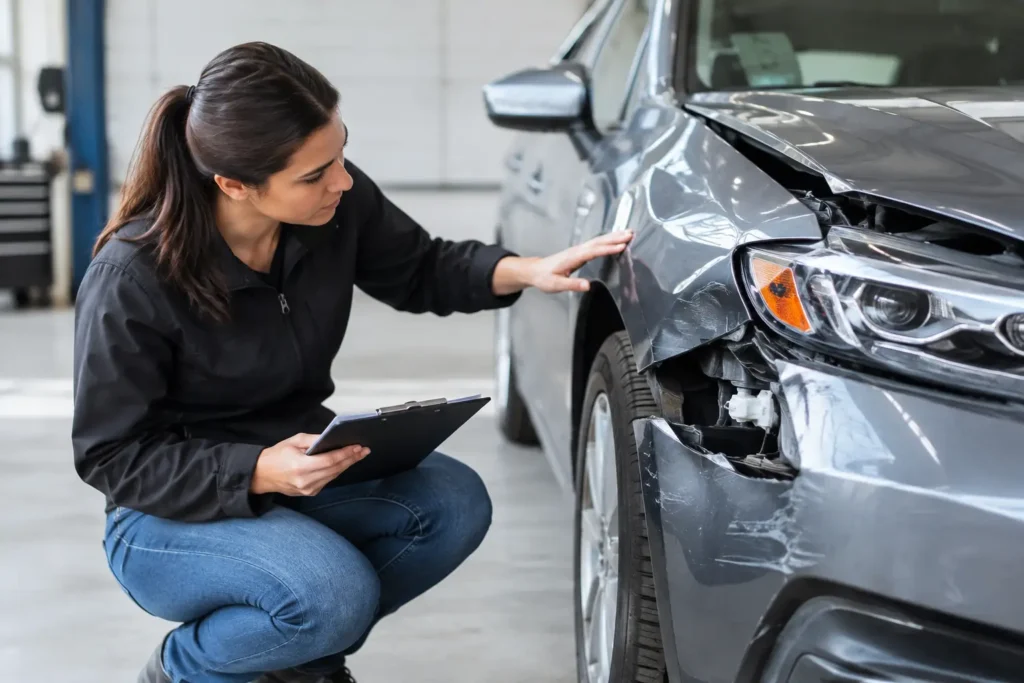
A collision can disrupt far more than your vehicle. It can affect your commute, school drop-offs, work schedule, and peace of mind. If you are searching for how to prepare car for collision repair, a few practical steps before your appointment can protect your property, support your insurance claim, and help your repair move forward without unnecessary delays.
At CatCity Auto Body, we help drivers throughout Cathedral City and the Coachella Valley make sense of the repair process. Whether your vehicle has a scraped bumper or significant collision damage, preparation gives your repair team a clearer starting point and gives you more confidence in what comes next.
Make Sure the Vehicle Is Safe to Drive
Your first decision is whether the car should be driven at all. Damage can look minor while affecting components that matter to safe operation, including the bumper reinforcement, wheel alignment, suspension, lights, tires, or cooling system. A vehicle that pulls to one side, leaks fluid, has a loose bumper, shows warning lights, or makes unfamiliar noises should not be driven to a repair facility.
Look for obvious hazards before moving the vehicle. Check that the tires hold air, the headlights and brake lights work, the hood latches securely, and no metal or plastic pieces can drag on the road. If the vehicle was hit near a wheel, do not assume it is safe simply because it rolls.
When there is any doubt, arrange towing. This is often the safer and more cost-effective choice than risking added damage on the way to the shop. It also protects you and other drivers from a preventable roadside problem.
Document the Damage Before Collision Repair
Take clear photos of your vehicle before it is cleaned, moved, or repaired. Photograph the damaged area from several distances, then capture close-ups of dents, broken parts, paint transfer, cracked lights, and wheel damage. Include wide photos that show the entire side, front, or rear of the vehicle for context.
Also photograph the odometer, fuel level, dashboard warning lights, and any existing unrelated damage. These details create a useful record of the vehicle’s condition when it entered the repair process. If you have photos from the accident scene, keep those with your claim documents as well.
Do not try to hide damage with touch-up paint, tape, or a quick repair before the estimate. A temporary fix can make it harder to assess the full extent of the impact. Collision damage is not always visible from the outside, and the repair plan may change once the vehicle is disassembled and inspected.
Keep Your Accident and Insurance Information Together
Put your claim number, insurer contact information, police report number if one was issued, and the other driver’s information in one place. If an insurance company has already sent an estimate, bring it with you. That estimate can begin the conversation, but it may not reflect every needed repair.
A qualified collision repair facility may find additional damage after removing exterior panels or inspecting structural areas. This is called a supplement, and it is a normal part of many collision repairs. The goal is not to add unnecessary work. It is to identify damage that could affect fit, function, appearance, or safety.
Remove Personal Items From the Car
Before dropping off your vehicle, remove personal belongings from the cabin, glove box, center console, trunk, door pockets, and cargo area. Repair work may require technicians to move seats, disconnect battery power, access the trunk, remove interior trim, or perform test drives. Clearing the vehicle makes that work safer and more efficient.
Be especially careful to take out valuables, medications, documents, garage remotes, spare keys, sunglasses, cash, and work equipment. Remove toll transponders if possible, along with parking passes and personal identification. If your child safety seat was occupied during the collision or shows signs of impact, tell the shop and review the seat manufacturer’s replacement guidance.
Leave only the items the repair facility needs, such as the vehicle keys and any wheel-lock key. If your car has an aftermarket alarm, remote start system, special operating instructions, or an intermittent issue that may affect testing, let the service advisor know before repairs begin.
Prepare for the Estimate and Repair Authorization
A detailed estimate should explain the visible damage, anticipated repair procedures, parts involved, refinishing needs, and expected next steps. Ask questions if a line item is unclear. A trustworthy shop should be willing to explain what is being repaired and why.
Bring your driver’s license, registration, insurance card, claim number, and contact information. If someone else owns the vehicle or is listed on the insurance policy, confirm who can authorize repairs. This can prevent delays after the vehicle is already at the shop.
It also helps to discuss your deductible early. Your deductible is generally your responsibility under your policy, even when the repair facility works directly with your insurer. If cost is a concern, ask about payment options before repairs are completed so there are no surprises at pickup.
Understand Parts and Timing Expectations
Repair timing depends on more than the size of the dent. Parts availability, hidden damage, insurer approvals, paint curing, calibration requirements, and the vehicle’s make and model can all affect the schedule. Newer vehicles may need sensor calibrations after bumper, windshield, mirror, suspension, or structural repairs.
You can ask whether the repair involves original equipment manufacturer parts, aftermarket parts, or recycled parts. The appropriate option depends on your insurance policy, vehicle age, availability, repair requirements, and personal preference. A good repair plan balances cost with proper fit, safety, and long-term performance.
If you drive an electric or hybrid vehicle, tell the shop when scheduling your appointment. High-voltage systems require specific safety procedures, and impact damage near the battery area may need additional inspection. The same applies to vehicles equipped with advanced driver-assistance features such as blind-spot monitoring, lane assistance, parking sensors, and forward collision warning.
Plan for Transportation While Your Car Is in the Shop
Collision repair should not leave you stranded. Before you drop off your vehicle, confirm how you will get home, to work, or to family responsibilities. Depending on your coverage and circumstances, rental vehicle assistance may be available. Your repair facility can also help coordinate with the insurance company when rental arrangements are part of the claim.
Be realistic about the time your vehicle may be unavailable. Even a small repair can require disassembly, parts ordering, paint preparation, refinishing, reassembly, quality checks, and final cleaning. Planning for alternate transportation reduces stress if a part is delayed or additional damage is found.
If you use a rental, photograph it at pickup and understand the fuel, mileage, and return requirements. Keep rental documents separate from your repair paperwork so they are easy to find if the insurer requests them.
Communicate Changes and Stay Available
Give the shop the best phone number and email address for repair updates. Respond promptly if the repair team needs authorization, clarification about an accessory, or help reaching your insurer. Small communication delays can hold up a repair more than customers expect.
You should also tell the shop about any pre-existing concerns that might matter during a post-repair inspection. For example, mention a warning light that was already on, an old scratch near the impact area, or a door that did not operate properly before the accident. Clear information protects everyone and helps keep the repair record accurate.
Online repair-status updates can be helpful, but do not hesitate to call with a specific question. You deserve direct, understandable answers about your vehicle, especially when repairs involve safety-related systems or an unexpected supplement.
How to Prepare Your Car for Collision Repair Without Adding Stress
The best preparation is not complicated: protect yourself, preserve the details, remove personal items, and choose a repair facility that explains the work clearly. Avoid driving a questionable vehicle, avoid making temporary repairs that conceal damage, and avoid waiting until pickup day to ask about your deductible or transportation needs.
After an accident, the right support can make a difficult situation feel manageable. Bring your questions to the estimate, keep your documents organized, and let certified collision professionals inspect the vehicle thoroughly before the real repair work begins.