
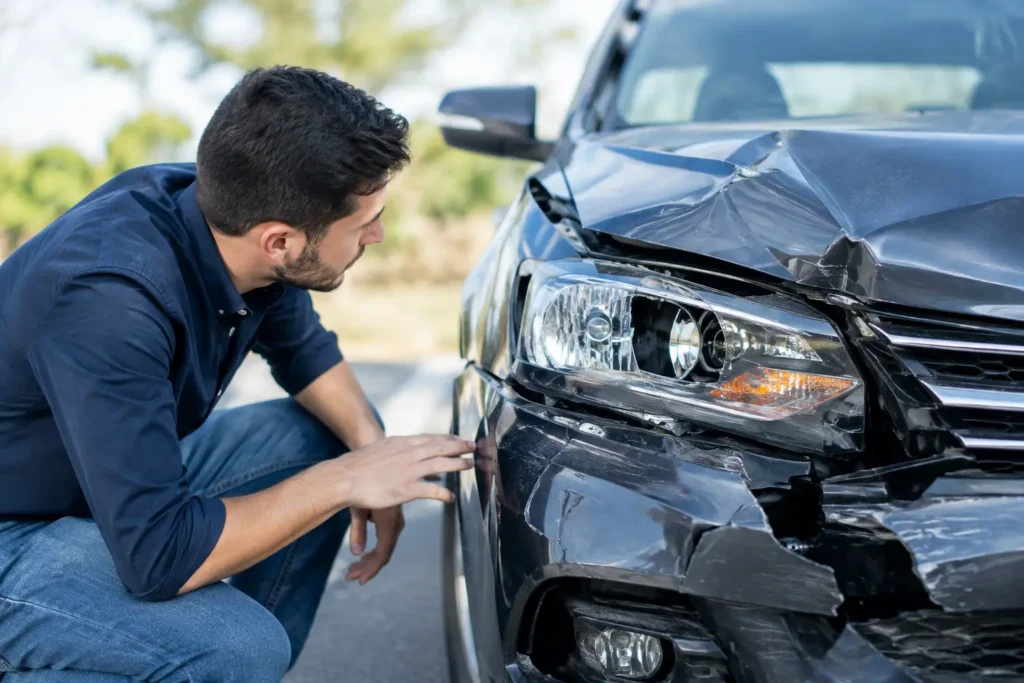
A vehicle can look nearly fine after a parking-lot bump or low-speed collision, yet still have damage that affects how it drives, protects passengers, or wears its tires. Knowing the top accident damage warning signs can help you make a safer decision before returning to your commute, school drop-off, or trip across the Coachella Valley.
Some issues are obvious: a crushed bumper, broken headlight, or door that will not close. Others show up days later, when the vehicle pulls on Highway 111 or a warning light appears during an errand. A professional collision inspection is the dependable way to identify hidden damage, but these signs tell you when not to wait.
Top Accident Damage Warning Signs After a Collision
The vehicle pulls, wanders, or the steering wheel is off-center
If your car drifts left or right on a level road, requires constant correction, or has a steering wheel that no longer sits straight while driving straight, it may have alignment or suspension damage. A hard impact with another vehicle, a curb, or a median can shift components that control the direction of your wheels.
Do not assume an alignment alone will solve the problem. Alignment may be part of the repair, but a collision technician should first check for damaged suspension parts, wheel damage, or structural concerns. Continuing to drive with these symptoms can make the vehicle harder to control and can wear out tires much faster than normal.
New vibrations, shaking, or unusual noises
A vibration in the steering wheel, floor, or seat after an accident deserves attention, especially if it grows worse at higher speeds. It can point to a bent wheel, tire damage, a misaligned suspension component, or damage underneath the vehicle.
Listen for clicking during turns, clunking over bumps, scraping beneath the car, or a new humming sound while driving. These noises are not always caused by major damage, but they are not normal after a collision. The safest approach is to have the source inspected rather than trying to diagnose it from the driver’s seat.
Uneven body panels, gaps, or doors that do not operate normally
Look along the edges of the hood, trunk, doors, fenders, and bumper. Uneven gaps, panels that sit higher on one side, or a bumper that appears loose can indicate more than a cosmetic problem. They may reveal that mounting points, brackets, or panels have shifted during impact.
Pay particular attention to doors, the hood, and the trunk. If one takes extra force to latch, rubs against another panel, pops open, or will not align correctly, avoid treating it as a minor inconvenience. Proper fit affects weather protection, security, and, in some cases, how the vehicle performs in a future collision.
Warning lights that appear after the impact
Dashboard warning lights should never be ignored simply because the vehicle still starts and drives. The check engine light, airbag warning light, ABS light, traction-control light, or tire-pressure warning can all appear after impact for different reasons.
An airbag light is particularly urgent. It may indicate a problem within the supplemental restraint system, which includes more than the airbags themselves. Sensors, wiring, seat belt pretensioners, and other components work together to help protect occupants. A qualified shop can scan the vehicle and determine what needs repair according to manufacturer and safety standards.
Fluid leaks or new odors
After parking, check the ground beneath the vehicle for fresh fluid. Clear water near the front may simply be air-conditioning condensation, especially during a hot Cathedral City afternoon. Other fluids, however, can signal a concern.
A sweet smell may be coolant. A sharp fuel smell, oily puddle, burning odor, or smoke should be addressed immediately. If you smell gasoline, see steam from the engine compartment, or notice a significant leak, do not keep driving. Turn off the vehicle when it is safe to do so and arrange towing. A small leak can become a much larger problem when the vehicle is driven in desert heat.
Tire damage or uneven tire wear
Tires can absorb damage that is easy to miss after an accident. Inspect them for cuts, bulges, sidewall damage, deep scrapes, or a wheel that looks bent. A tire may lose pressure slowly rather than going flat immediately, so check pressure again over the next few days.
Uneven wear may take longer to appear, but it is one of the top accident damage warning signs of an alignment or suspension issue. If one tire begins wearing faster along its inner or outer edge, schedule an inspection. Replacing tires without correcting the underlying collision damage can lead to the same expense again.
Cracked lights, camera problems, or sensor alerts
Modern vehicles place cameras, radar units, parking sensors, and lighting components in bumpers, grilles, mirrors, and windshields. Even a modest impact can affect their position or operation. A parking sensor that beeps unexpectedly, a backup camera with a distorted view, or a driver-assistance message on the dash should be evaluated.
These systems often require calibration after repair. Reinstalling a bumper cover or replacing a windshield is not always the final step. Correct calibration helps features such as lane assistance, automatic emergency braking, blind-spot monitoring, and parking alerts function as designed.
Why Hidden Collision Damage Matters
A vehicle’s visible exterior is only part of the story. Behind a bumper cover may be impact absorbers, reinforcement bars, wiring, sensors, cooling components, and mounting points. Beneath the body, there may be damage to suspension parts, exhaust components, undercarriage shields, or structural sections.
This is why a quick visual check has limits. A vehicle can have little visible damage but still need careful measurement and repair. Conversely, a dramatic-looking dent may be largely cosmetic. The right repair plan depends on what an inspection finds, not on the appearance of the bumper alone.
There is also a financial reason to document concerns promptly. Taking photos, noting new noises or warning lights, and obtaining a detailed estimate can make insurance communication clearer. If you are filing a claim, early documentation helps establish what changed after the accident and allows the repair process to move forward with fewer surprises.
When It Is Safe to Drive and When to Call for a Tow
It depends on the damage. A vehicle with a minor scuff and no changes in handling, lighting, tire condition, or dashboard warnings may be drivable for a short distance. Still, an inspection is wise if there was meaningful contact or the impact involved a wheel, bumper, door, or curb.
Do not drive if the steering feels unreliable, a tire is damaged, fluids are leaking, lights are broken enough to affect visibility, airbags have deployed, the hood will not latch, or the vehicle is overheating. The same applies if you smell fuel, see smoke, hear metal dragging, or cannot close a door securely. Towing protects both the vehicle and the people inside it.
What to Do Before Repairs Begin
Start by photographing the vehicle from several angles and making a short note of anything that feels different while driving. Keep your claim details, police report information if applicable, and the other driver’s insurance information together. Then request a complete collision estimate that explains visible damage, likely hidden damage, and the next steps for insurer approval.
At CatCity Auto Body, certified technicians help Cathedral City and Coachella Valley drivers understand the condition of their vehicles, coordinate with insurance providers, and plan repairs with safety and convenience in mind. Whether the damage is a dented fender or a more involved collision repair, a clear estimate gives you a practical path forward.
If something about your vehicle feels different after an accident, trust that instinct. Getting it checked early can prevent a small concern from becoming a safety issue, an avoidable breakdown, or a more expensive repair later.