
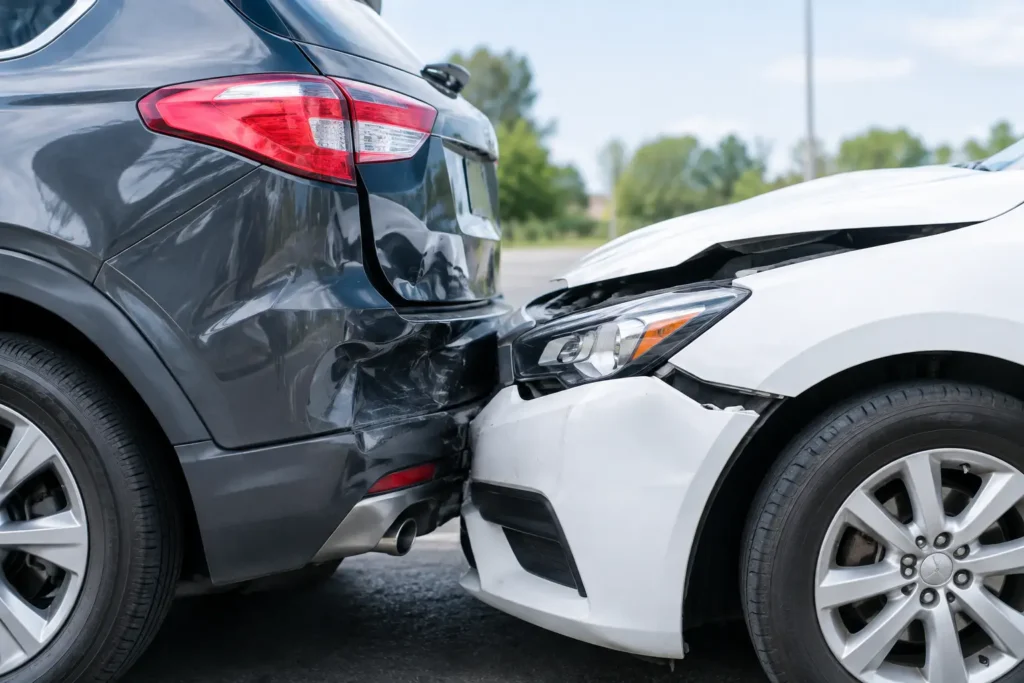
A rear-end impact can look minor at first glance: a cracked bumper cover, a dent near the trunk, or a taillight that no longer sits quite right. But a useful rear end collision repair example shows why the visible damage is only one part of the story. Behind the bumper, energy from the impact may affect reinforcement bars, absorbers, sensors, mounting points, and the vehicle structure.
For drivers in Cathedral City and across the Coachella Valley, the goal is not simply to make a vehicle look better. It is to return it to safe, dependable pre-accident condition with a repair plan that is clearly explained from the start.
A Realistic Rear End Collision Repair Example
Consider a late-model midsize sedan stopped at a red light in Palm Desert. Another vehicle strikes it from behind at low city speed. The sedan can still be driven, but its rear bumper is pushed inward, the trunk is difficult to latch, and one rear parking sensor displays an alert.
At drop-off, the initial estimate may identify a damaged bumper cover, broken absorber foam, a cracked taillight bracket, and refinish work. That is the visible portion. Once the bumper cover is removed, the technician may find that the bumper reinforcement bar has bent and the left rear body panel has shifted slightly. The trunk latch support may also need adjustment or repair.
This does not necessarily mean the vehicle has major frame damage. It does mean a proper inspection is needed before anyone can promise a final repair cost or timeline. Repairing only the bumper cover in this situation could leave the trunk misaligned, the sensor system malfunctioning, or the vehicle less prepared to manage a future impact.
Step 1: Inspection and a Detailed Estimate
The repair process begins with a visual assessment, photos, and a written estimate. A qualified collision shop checks the bumper, trunk lid, quarter panels, taillights, panel gaps, and signs of paint transfer. Technicians also look for warning lights and test features that may have been affected, including parking sensors, blind-spot monitoring, rear cameras, or power trunk functions.
Some damage cannot be confirmed until the vehicle is disassembled. This is common, not a sign that something has gone wrong. If hidden damage is found, the shop documents it and submits a supplement to the insurer when insurance is involved. Clear communication at this stage helps prevent surprises later.
Step 2: Measuring What Cannot Be Seen
The next part of this rear end collision repair example is where precision matters most. Modern vehicles are built with specific measurement points and designed crumple zones. Even a modest impact can move a mounting point enough to affect the fit of a bumper, trunk, or taillight.
Using professional measuring equipment, technicians compare the vehicle’s structure to manufacturer specifications. If the rear body panel, rail section, or bumper mounting area is out of position, the vehicle may require controlled pulling and frame straightening before replacement parts are installed.
Not every rear-end collision requires structural repair. A slow-speed impact may be limited to cosmetic parts and sensor calibration. It depends on the vehicle, the angle of impact, the speed, and where the other vehicle made contact. An experienced shop explains the difference rather than treating every dent as either trivial or catastrophic.
Step 3: Repairing or Replacing Damaged Parts
In this example, the bent reinforcement bar is replaced because it is designed to absorb impact energy and should not be reshaped for reuse. The damaged bumper cover is replaced, while the trunk lid is repaired because the metal damage is limited and the lid can be restored without compromising its function.
The technician repairs the shifted rear body panel, verifies the trunk opening measurements, and test-fits the replacement bumper before paint work begins. This test-fit step helps confirm that body lines, taillights, and gaps are even before the final finish is applied.
A quality repair is not based on replacing the most parts or the fewest parts. It is based on following safe repair procedures and making the right decision for the damage present. In some cases, repair is more cost-effective. In others, replacement is the safer and more reliable option.
Paint Matching Is More Than Choosing a Color
Once the bodywork is complete, the repaired or replacement parts are prepared for refinishing. Automotive paint is layered and can be affected by age, sun exposure, and the intense desert conditions common in Riverside County. Even vehicles with a standard factory color may need careful tinting and blending to achieve a consistent appearance.
The painter matches the color, applies the proper primers and coatings, and blends adjacent panels when needed. Blending does not automatically mean more damage occurred. It is often the correct method for making a repaired area visually consistent with the rest of the vehicle.
After curing, the panels are polished as needed and reassembled with new clips, fasteners, seals, or brackets where required. Cutting corners on these small components can lead to loose trim, water intrusion, rattles, or poor panel fit later.
Sensors and Safety Features Need Final Attention
In many newer vehicles, the rear bumper is not just a cosmetic panel. It may contain parking sensors, radar components, wiring, camera hardware, and alert systems. A bumper that appears perfectly repaired can still require calibration or diagnostic verification before the vehicle is returned.
In the sedan example, the shop reinstalls the parking sensors and checks the system after repairs are complete. If the vehicle has blind-spot monitoring or rear cross-traffic alert, the applicable calibration procedures are performed according to vehicle requirements. The rear camera image, trunk release, lights, and license plate lamps are also checked.
This final verification protects more than convenience. Driver-assistance features are designed to support safe operation, and they need to function as intended after a collision.
What Affects Repair Cost and Timing?
Customers often ask for an exact price immediately after an accident. A free estimate is the right place to start, but a final number may change when hidden damage is discovered. The biggest variables are the vehicle make and model, parts availability, structural damage, sensor calibration needs, paint blending, and the insurance approval process.
A basic bumper repair might be completed relatively quickly if there is no underlying damage and materials are available. A repair involving a reinforcement bar, trunk alignment, rear body work, and electronic calibration takes longer because each stage must be completed in the right order. Fast service matters, but accuracy and safety matter more.
Insurance can add another layer of uncertainty, especially when additional damage needs approval. A collision repair shop that coordinates directly with insurance can help keep documentation moving while keeping the customer informed. Rental vehicle assistance and repair-status updates can also make the disruption easier to manage.
What to Do After a Rear-End Accident
If your vehicle is safe to move, take photos of the damage and the accident scene, exchange information, and report the claim as appropriate. Avoid forcing a trunk closed, ignoring warning lights, or assuming the car is safe because it still drives normally. If a bumper is loose, a light is broken, or the trunk will not latch, arrange towing rather than taking an unnecessary risk.
When you bring the vehicle in, ask for an explanation of the visible damage, possible hidden damage, parts choices, and whether safety-system calibration may be needed. A trustworthy shop should be comfortable walking you through the estimate in plain language.
CatCity Auto Body provides detailed estimates, insurance coordination, and certified collision repair for drivers throughout Cathedral City and the surrounding Coachella Valley. After a rear-end collision, a careful inspection gives you something more valuable than a quick cosmetic fix: confidence that the vehicle you depend on has been repaired with the attention it deserves.