
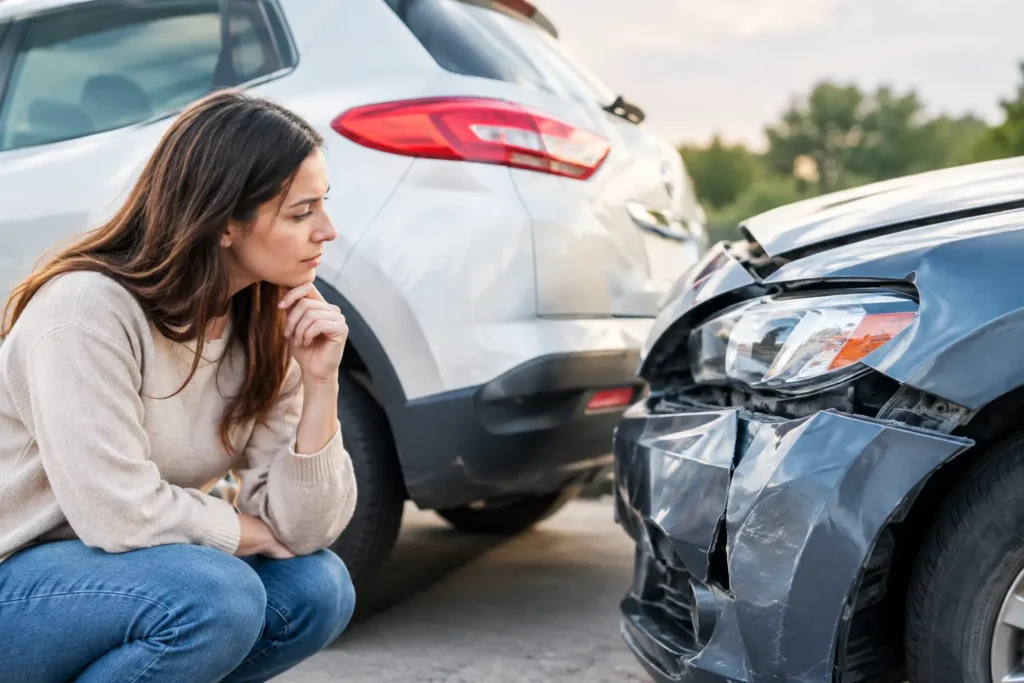
A dented bumper can be obvious. A bent mounting point, damaged sensor, or misaligned frame component may not be. That is why collision repair questions deserve clear answers before you approve work or get back on the road. For drivers across Cathedral City and the Coachella Valley, the right repair decision is about more than appearance. It is about restoring safety, value, and confidence after a stressful event.
Collision Repair Questions to Ask First
Can I choose my own repair shop?
In most cases, yes. Your insurance company can recommend a shop or work within a preferred repair network, but you generally have the right to select the collision repair facility you trust. A local independent shop can coordinate directly with the insurer while still keeping you informed about the estimate, repair plan, and progress.
Choose based on repair capability, certifications, communication, and the willingness to explain the work. A shop should be comfortable providing a detailed estimate and answering questions without pressuring you to make a quick decision. For a minor dent, convenience may be the priority. After a more serious impact, proper structural measuring equipment, technician training, and manufacturer-informed repair procedures matter far more.
Is it safe to drive my vehicle after a collision?
It depends on the location and severity of the damage. A vehicle with a cracked light, loose bumper, rubbing tire, leaking fluid, deployed airbag, steering change, or warning light should be inspected before it is driven. Even if the car seems to handle normally, collision forces can affect alignment, suspension parts, wheel components, and safety systems that are not visible from the outside.
If you are unsure, arrange towing rather than taking a risk. A 24/7 towing option can prevent additional damage and remove one immediate concern after an accident. This is especially helpful when the collision happens outside business hours or far from home.
Will the insurance estimate cover everything?
The first estimate is often a starting point, not the final repair total. Insurance adjusters and repair technicians can identify visible damage initially, but hidden damage may appear only after the vehicle is disassembled. A cracked bracket behind a bumper cover, damaged absorber, broken fastener, or distorted reinforcement bar can change the scope of work.
When additional damage is found, the shop documents it and submits a supplement to the insurer for review. This is a normal part of collision repair, not a sign that the shop failed to inspect the vehicle properly. Responsible repairs require access to the affected components before every issue can be confirmed.
What a Proper Collision Repair Process Looks Like
A trustworthy repair process begins with an inspection and a clear written estimate. The estimate should identify damaged areas, anticipated repair operations, replacement parts when needed, paint and materials, and any likely calibration or scan requirements. Ask what is known now and what could change after teardown.
Once repairs are approved, the shop may order parts, disassemble damaged sections, perform structural and body repairs, refinish painted panels, reassemble the vehicle, and complete quality-control checks. Timing varies because parts availability, insurer authorization, hidden damage, and the number of affected systems all influence the schedule.
A small door dent may be handled quickly. A collision involving airbags, suspension, several body panels, or structural damage can take substantially longer. Be cautious of anyone who promises an exact completion date before assessing the full scope. A better approach is regular, honest updates as the repair moves through each stage.
At CatCity Auto Body, certified technicians use modern repair equipment to assess and restore foreign and domestic vehicles of all makes and models. Customers should expect the same careful attention whether the job involves a fender repair or more extensive collision damage.
Do I Need Frame Straightening?
Not every accident causes frame or unibody damage, but a direct impact can shift structural areas that support how the vehicle drives and protects occupants. Modern vehicles are engineered with specific crumple zones and structural components. Repairing those areas is not simply a matter of pulling metal until it looks straight.
Technicians use computerized measuring equipment to compare key points on the vehicle to manufacturer specifications. If measurements show damage, the vehicle may require controlled structural pulling and repeated measurements during repair. The goal is to restore the vehicle’s geometry as closely as possible to pre-accident condition.
Frame or unibody work is one area where low-cost shortcuts can be especially costly. Poor structural repairs can contribute to uneven tire wear, alignment problems, panel-fit issues, and reduced performance in a future collision. Ask whether the vehicle will be measured, how repairs will be verified, and whether related systems will be inspected afterward.
Why Do Scans and Calibrations Matter?
Many current vehicles use cameras, radar, sensors, and electronic modules for safety and driver-assistance features. A collision, bumper repair, windshield replacement, battery disconnect, or wheel alignment can affect systems such as parking sensors, lane assistance, blind-spot monitoring, adaptive cruise control, and automatic emergency braking.
A warning light is not the only reason to perform a diagnostic scan. Some collision-related fault codes are stored without creating an obvious dashboard alert. Depending on the vehicle and repair, pre-repair and post-repair scans may be needed to identify faults and verify that systems communicate properly.
Calibration may also be required after components are repaired or replaced. This work should follow the vehicle manufacturer’s requirements. It can add time and cost, but skipping necessary calibration leaves uncertainty about whether safety features will respond as intended. Ask the shop what scans or calibrations are recommended for your specific vehicle and why.
Should Damaged Parts Be Repaired or Replaced?
The answer depends on the part, the damage, the vehicle’s repair procedures, and the desired result. Some panels can be repaired effectively when the metal is not severely stretched and corrosion protection can be maintained. Other components, including certain bumper reinforcements, sensors, structural parts, and safety-related items, may need replacement after an impact.
Part type also matters. Original equipment manufacturer parts, recycled original parts, aftermarket parts, and reconditioned components can have different costs, availability, fit, and insurance coverage. There is no single best answer for every repair. A good shop will explain the available options and identify when manufacturer procedures limit those choices.
Do not judge a repair only by the number of replacement parts on an estimate. Repairing a panel can be the right choice in one case, while replacement may be safer, more durable, or more cost-effective in another. The important question is whether the recommended method supports proper fit, corrosion protection, paint quality, and vehicle safety.
How Will the Paint Match My Vehicle?
Professional auto painting involves more than selecting a paint code. Sun exposure, age, previous repairs, and factory color variations can change how a panel looks next to surrounding areas. A skilled refinishing process accounts for these differences through color matching, test panels, proper preparation, and, when appropriate, blending color into adjacent panels.
Blending does not mean that something went wrong. It is often the best way to create a natural transition between a newly refinished panel and the existing finish. Quality also depends on proper surface preparation, masking, curing, and final inspection. Ask how the shop will address color match and whether nearby panels may need blending for a consistent result.
What Should I Do Before Picking Up My Vehicle?
Take a few minutes to review the repair with the shop. Confirm what was repaired or replaced, ask about any calibration or alignment work completed, and make sure you understand any care instructions for fresh paint. Newly painted surfaces may need time before waxing or using certain car washes.
Look over the repaired area in good lighting. Check panel gaps, paint appearance, lights, trunk or door operation, and interior areas affected by the repair. If something does not look or feel right, mention it before leaving. A dependable shop wants the opportunity to answer the question and address a legitimate concern.
An accident interrupts work, errands, family plans, and peace of mind. The right collision repair team makes the next step simpler: get a detailed estimate, ask direct questions, and choose repairs that put safety and quality ahead of a fast cosmetic fix.