
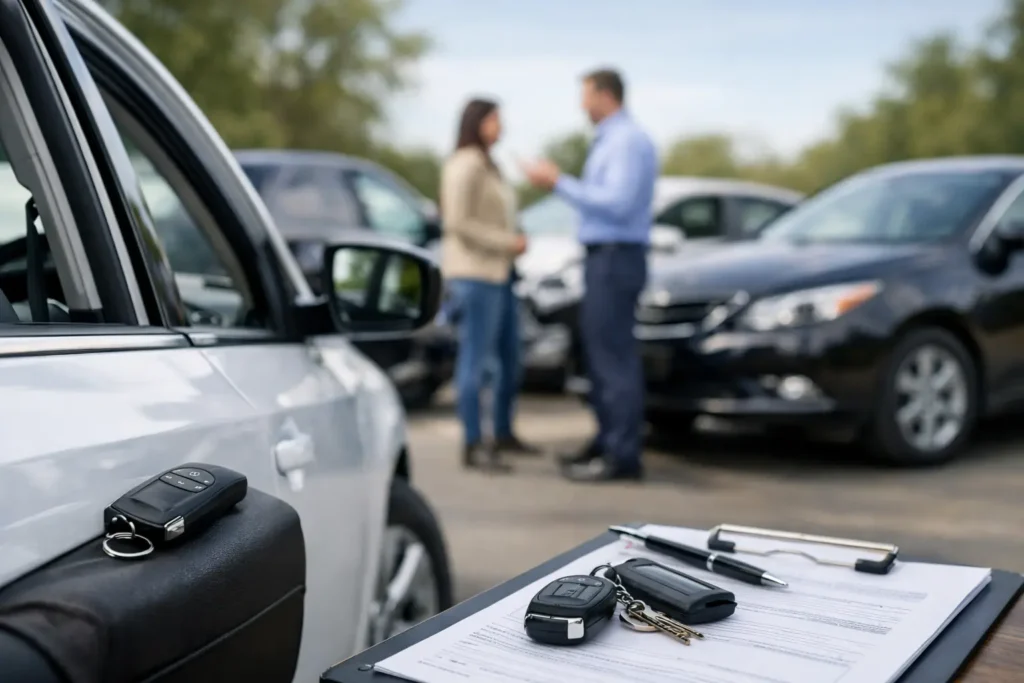
A collision can leave you handling a damaged vehicle, an insurance claim, and the immediate question of how you will get to work, appointments, school pickup, or home. Rental car assistance after accident damage helps bridge that gap, but the details depend on your insurance coverage, who caused the collision, and how long safe repairs take.
For drivers in Cathedral City and across the Coachella Valley, the best approach is to ask about transportation early, keep the claim moving, and choose a repair facility that communicates clearly about the timeline. A rental vehicle is not just a convenience when your car is in the shop. It can be the practical support that keeps your routine intact while your vehicle is restored properly.
When does insurance pay for a rental car?
Rental coverage is not automatic with every auto policy. If you added rental reimbursement coverage to your own policy, your insurer may pay for a rental after a covered collision or comprehensive claim. This coverage usually has a daily limit and a maximum total amount, such as a set dollar amount per day for up to a specified number of days.
If another driver caused the accident, their liability insurer may be responsible for reasonable rental transportation while your vehicle is being repaired. In California, this often means working through the at-fault driver’s property damage claim. However, approval can take longer if fault is still being investigated or the other insurer has not accepted liability.
If you were at fault and do not carry rental reimbursement, your policy may not pay for a rental. You can still rent a vehicle yourself, but it is wise to understand the expected repair timeline and daily rental rate before committing. A repair shop can often help you plan around the estimated completion date, though additional damage discovered during disassembly can occasionally change that date.
Start rental car assistance after an accident early
The first few days after a collision often determine how smoothly the rest of the claim goes. Once everyone is safe and the necessary report is filed, notify your insurance company promptly. Ask a direct question: “Do I have rental reimbursement coverage, and what are my daily and total limits?” If another party appears responsible, ask whether their carrier has accepted liability and how rental authorization will be handled.
Write down the claim number, the adjuster’s name, phone number, and email address. Those details are useful when a rental company, repair facility, or insurer needs to confirm coverage. Also ask whether the insurer has a preferred rental company. Using one can make direct billing easier, but you still have the right to understand your options and choose a repair shop you trust.
Do not assume an insurer will automatically extend a rental because repairs are taking longer than expected. Stay in contact if the completion date changes. A documented repair update gives the claims representative the information needed to review additional rental days.
Choose a rental that fits the coverage and your real needs
The least expensive option is not always the right option. A compact car may fall within the insurer’s daily allowance, but it may not work for a family with car seats, a driver who needs trunk space for work equipment, or someone with mobility needs. At the same time, upgrading to a larger vehicle or premium model can leave you responsible for the difference.
Before accepting the rental, confirm the daily rate, taxes, deposit requirements, fuel policy, mileage limits, and whether insurance authorization covers the entire cost. Ask what happens if repairs run longer than the approved rental period. This is especially helpful for Coachella Valley drivers who may need dependable transportation for a daily commute between Cathedral City, Palm Springs, Palm Desert, Rancho Mirage, and other Riverside County communities.
If your vehicle has special features that matter to your household, mention them. You may need an SUV for multiple passengers, accessible entry, or a vehicle that can accommodate essential equipment. Insurance coverage may have limits, but discussing needs upfront reduces surprises.
The repair timeline affects the rental timeline
A rental period generally begins when your car is not safely drivable or when it enters the repair process, depending on the policy and claim circumstances. It usually ends when repairs are complete and the vehicle is ready for pickup. That is why accurate estimating, insurer coordination, parts ordering, and repair-status communication matter so much.
Some damage is visible immediately, such as a dented bumper, broken headlamp, or bent fender. Other issues are hidden behind panels and may not be fully identified until the vehicle is disassembled. A thorough collision repair process checks for structural damage, sensor concerns, suspension issues, and safety-system calibration needs instead of rushing to a cosmetic fix.
That careful work can affect the timeline, particularly when parts must be ordered or supplemental damage requires insurer approval. It is a trade-off worth understanding: a quick repair that overlooks safety-related damage is not the goal. The right repair restores your vehicle as close as possible to its pre-accident condition and supports its safe return to the road.
At CatCity Auto Body, certified technicians and direct insurance coordination help customers understand what is happening at each stage. Clear estimates, repair updates, and rental vehicle assistance can reduce the administrative burden when transportation is already one more concern after an accident.
Avoid common rental-car claim problems
Most rental issues come from assumptions rather than a lack of coverage. Keep the following points in mind throughout the claim:
- Confirm coverage limits before selecting the rental vehicle, including the daily allowance and maximum number of covered days.
- Keep copies of the rental agreement, receipts, claim number, and any approval messages from the insurance company.
- Ask the rental company whether it will bill the insurer directly or whether you must pay first and request reimbursement later.
- Notify the insurer and repair facility promptly if you receive a revised completion date or discover the rental authorization is about to expire.
- Return the vehicle when repairs are complete unless the insurer has approved additional time for a specific reason.
Personal expenses can still apply even with approved coverage. Fuel, optional protection products, tolls, parking fees, late-return charges, and upgrades may not be included. Read the rental agreement before signing, especially if a credit card deposit is required.
What if your car is a total loss?
Rental assistance works differently when an insurer determines that repair costs exceed the vehicle’s value or make repairs impractical. Rental coverage often ends shortly after the insurer makes a total-loss settlement offer, rather than continuing until you purchase another vehicle. The exact deadline varies by insurer and policy, so ask for the final covered rental date in writing.
This can be a difficult point in the claim because you may need transportation while evaluating the settlement and shopping for a replacement car. Review the valuation carefully, gather maintenance or condition records if appropriate, and ask the adjuster about the process and timeline. Returning the rental late can create out-of-pocket charges even if you are still deciding what to do next.
Get clear support before your vehicle enters the shop
A dependable repair experience includes more than repairing metal, paint, and parts. It includes helping you understand when a rental is available, what your insurer needs, and how long you may need alternate transportation. Whether your vehicle has minor bumper damage or requires major collision repair, ask for a detailed estimate and a realistic conversation about the repair process.
After an accident, you should not have to guess how you will keep life moving. A trusted local collision repair team can help coordinate the next practical steps so you can focus on getting safely back behind the wheel.