
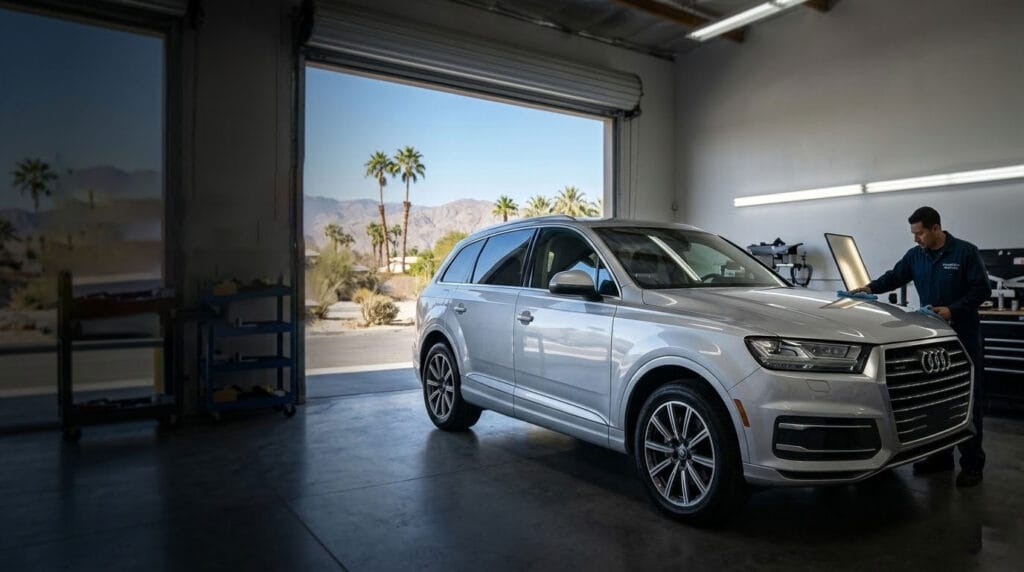
Bumper damage is one of the most common issues vehicle owners face after an accident. Whether it’s a light scrape in a parking lot or a low-speed collision in traffic, your bumper is usually the first part of your car to take the hit. While the damage may seem minor at first, deciding between bumper repair vs replacement is a critical step that impacts your vehicle’s safety, appearance, and overall repair costs.
Many drivers assume that replacing a damaged bumper is always the best solution. Others try to save money by choosing repair whenever possible. The truth lies somewhere in between. The right decision depends on a combination of factors such as the severity of the damage, the cost of repair, the condition of internal components, and long-term durability.
In this comprehensive guide, we’ll walk you through everything you need to know—from how modern bumpers function to detailed cost comparisons, repair timelines, insurance considerations, and expert tips—so you can confidently choose the most cost-effective and practical solution.
Understanding the Role of Modern Bumpers
To make the right decision, it’s important to first understand what your bumper actually does. While many people think of it as just a cosmetic panel, modern bumpers are designed to play a crucial role in vehicle safety.
Today’s bumpers are built with multiple layers and components that work together to absorb impact and minimize damage during a collision. These systems are far more advanced than older metal bumpers and are engineered to protect not only the exterior of the car but also internal components and passengers.
Key Components of a Modern Bumper:
- Bumper Cover:
The outer plastic layer that you see. It is flexible and designed to absorb minor impacts without cracking. - Energy Absorber:
A foam or plastic structure behind the cover that helps distribute impact energy. - Reinforcement Bar:
A metal beam that provides structural strength and prevents deeper damage. - Sensors and Technology:
Many newer vehicles include parking sensors, cameras, and radar systems integrated into the bumper.
Because of this complexity, bumper damage isn’t always just surface-level. What looks like a simple scratch could involve hidden structural issues. That’s why professional inspection is always recommended before choosing between repair and replacement.
Types of Bumper Damage
Not all bumper damage is the same. Understanding the type of damage your vehicle has can help determine whether repair or replacement is the better option.
Common Types of Damage:
- Surface Scratches and Scuffs:
Usually caused by minor contact with objects or other vehicles. - Dents and Indentations:
Occur when the bumper is pushed inward but not cracked. - Cracks and Splits:
Can range from small hairline cracks to larger fractures. - Paint Damage:
Includes peeling, fading, or paint transfer. - Structural Damage:
Involves internal components such as the reinforcement bar or mounting points. - Sensor Damage:
Affects parking sensors, cameras, or advanced driver-assistance systems.
The type and severity of damage will ultimately determine whether repair is sufficient or replacement is necessary.
When Bumper Repair Is the Best Option
In many cases, bumper repair is the most cost-effective and practical solution. If the damage is minor and does not affect the structural integrity of the bumper, repair can restore both appearance and function.
Ideal Situations for Repair:
- Minor scratches or paint scuffs
- Small dents without structural impact
- Light cracks that can be sealed and reinforced
- Paint transfer from another vehicle
Benefits of Bumper Repair:
Choosing repair over replacement offers several advantages:
- Cost Savings:
Repairing a bumper is significantly cheaper than replacing it since you avoid the cost of new parts. - Faster Turnaround Time:
Most repairs can be completed within a few hours to 1–2 days, depending on whether repainting is required. - Preserves Original Parts:
Keeping the original bumper ensures factory alignment and fit. - Eco-Friendly Option:
Repair reduces waste and minimizes environmental impact. - Insurance-Friendly:
Insurance companies often prefer repairs when they are safe and cost-effective.
Repair Techniques Used by Professionals:
- Sanding and Refinishing: To remove scratches and restore paint
- Heat Reshaping: To fix dents and restore the bumper’s shape
- Plastic Welding: To repair cracks and splits
- Paint Matching: To ensure a seamless finish
When done correctly, bumper repair can make damage virtually invisible.
When Bumper Replacement Is Necessary
While repair is often ideal, there are situations where replacement is the only safe and effective option.
Signs That Replacement Is Needed:
- Large or deep cracks
- Holes in the bumper
- Severe deformation or warping
- Broken mounting points
- Damage to internal support structures
- Malfunctioning sensors or cameras
Why Replacement May Be the Better Choice:
- Restores Structural Integrity:
Ensures the bumper can properly absorb impact in future collisions. - Improves Safety:
A damaged bumper may not provide adequate protection if repaired improperly. - Better for Advanced Systems:
Modern vehicles require precise sensor alignment, which is easier with replacement. - Long-Term Reliability:
Replacement eliminates the risk of repair failure over time.
When Replacement Is Non-Negotiable:
- After moderate to severe collisions
- When manufacturer guidelines require it
- When repair costs approach replacement costs
In these cases, replacement is not just a choice—it’s a necessity for safety.
Cost Comparison: Repair vs Replacement
Understanding the cost difference is essential when deciding between repair and replacement.
Average Bumper Repair Costs:
- Minor scratches: $150 – $400
- Dent repair with paint: $300 – $800
- Crack repair: $400 – $900
Average Bumper Replacement Costs:
- Standard vehicles: $800 – $1,500+
- Luxury or sensor-equipped vehicles: $1,500 – $3,000+
Factors That Influence Cost:
- Vehicle make and model
- Type of paint and color matching
- Labor rates in your area
- Extent of damage
- Sensor calibration requirements
Key Takeaway:
Repair is almost always cheaper, but replacement provides better value when damage is severe.
Time Comparison: Repair vs Replacement
Time is another important factor, especially if you rely on your vehicle daily.
Repair Timeline:
- Minor damage: Same day service
- Moderate repairs: 1–2 days
Replacement Timeline:
- Parts ordering: 1–3 days (or longer)
- Installation and painting: 2–5 days total
Replacement usually takes longer due to parts availability and paint curing time.
Insurance Considerations
Insurance can significantly influence your decision.
What Insurance Typically Covers:
- Collision damage
- Comprehensive damage (non-collision incidents)
- Repairs that meet safety standards
When Insurance Chooses Repair:
- Damage is minor
- Repair is cost-effective
- Structural integrity is intact
When Insurance Chooses Replacement:
- Repair costs are too high
- Safety is compromised
- Manufacturer guidelines recommend replacement
Important Tips:
- Always get a professional estimate
- Understand your deductible
- Work with a trusted auto body shop
Insurance companies usually approve the most cost-effective safe solution—not just the cheapest.
Pros and Cons Summary
Bumper Repair
Pros:
- Lower cost
- Faster turnaround
- Retains original parts
- Environmentally friendly
Cons:
- Not suitable for major damage
- May not fully restore structural strength
Bumper Replacement
Pros:
- Restores full safety
- Ideal for severe damage
- Long-lasting solution
Cons:
- Higher cost
- Longer repair time
- May require sensor recalibration
Long-Term Value: Which Option Saves More?
Choosing the cheapest option upfront isn’t always the smartest decision. Instead, consider long-term value.
Key Factors to Consider:
- Safety: Will the bumper protect you in another accident?
- Durability: Will the repair last over time?
- Resale Value: Does the repair look professional?
- Performance: Are sensors and systems functioning properly?
If repair meets all safety standards, it’s usually the best value.
If not, replacement is the smarter long-term investment.
Real-World Scenarios
Scenario 1: Minor Parking Lot Scratch
- Damage: Light scratches and paint scuff
- Best Option: Repair
- Reason: Cosmetic issue, low cost, quick fix
Scenario 2: Cracked Bumper from Low-Speed Collision
- Damage: Small crack, no structural damage
- Best Option: Repair
- Reason: Can be reinforced and refinished
Scenario 3: Major Collision Damage
- Damage: Large cracks, broken mounts
- Best Option: Replacement
- Reason: Structural integrity compromised
How to Choose the Right Option
Before making a decision, ask your auto body shop:
- Is the damage cosmetic or structural?
- Can repair fully restore safety?
- What is the cost difference?
- How long will each option take?
- Will insurance cover it?
A professional inspection is the most important step.
Final Thoughts
Choosing between bumper repair vs replacement doesn’t have to be complicated. The key is understanding the extent of the damage and balancing cost with safety.
- Choose repair for minor, cosmetic damage
- Choose replacement for severe or structural damage
At CatCity Auto Body, we help drivers make the right decision with expert guidance and honest recommendations. Whether you need fast, affordable bumper repair or a complete replacement, our team is here to restore your vehicle to its best condition.