
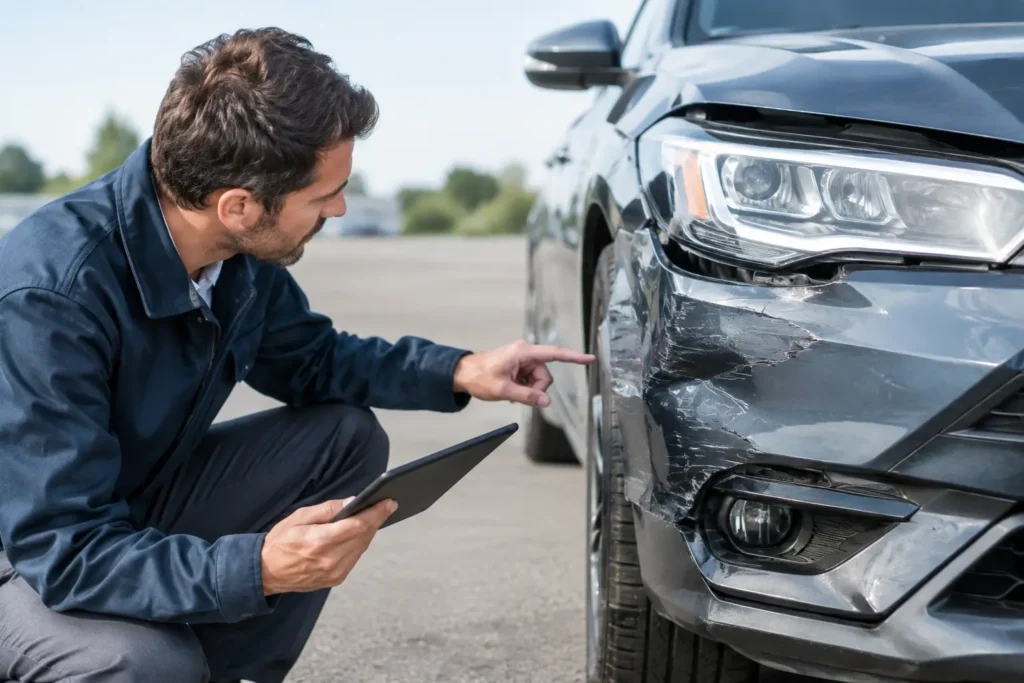
A damaged bumper can look like a straightforward fix until a repair professional removes it and finds broken mounting points, damaged sensors, or hidden reinforcement damage behind the cover. That is why a guide to vehicle damage estimates should begin with one reassuring fact: a careful estimate is not just a price. It is the first step toward restoring your vehicle’s safety, appearance, and value after an accident.
For drivers in Cathedral City, Palm Springs, Palm Desert, Rancho Mirage, and across the Coachella Valley, a collision estimate should give you a clear picture of what is visible now, what may require further inspection, and how the repair process will move forward. A trusted body shop will explain each part in plain language rather than leaving you to sort through unfamiliar repair terms alone.
What a Vehicle Damage Estimate Should Include
A professional estimate starts with a visual inspection of the vehicle and documentation of the collision-related damage. The estimator typically records damaged panels, paint damage, cracked lights, broken trim, wheel or tire concerns, and gaps between body panels. They may also note possible mechanical or structural issues that need a more detailed inspection once repair work begins.
Your written estimate should identify the expected labor, replacement parts, paint and refinishing work, materials, and applicable shop operations. Depending on the vehicle and damage, it may also include items such as bumper sensor calibration, wheel alignment, frame measuring, or corrosion protection. Modern vehicles often have cameras, radar units, airbags, and other systems located near areas that appear cosmetic at first glance.
The estimate should also distinguish between parts when appropriate. Original equipment manufacturer parts, aftermarket parts, recycled parts, and reconditioned parts can have different prices and availability. The right choice depends on your vehicle, insurance policy, safety requirements, repair standards, and the condition of available parts. A quality repair facility should explain the options and never treat this decision as a detail that does not matter.
Why an Initial Estimate Can Change
An estimate is based on what can be seen without fully disassembling the vehicle. In many accidents, the most significant damage is behind the bumper, fender, door panel, or other exterior component. A low-speed impact can bend a bracket, damage a radiator support, affect suspension parts, or interfere with a safety sensor even when the paint damage appears minor.
Once the vehicle is disassembled, technicians can inspect the full extent of the loss. If additional accident-related repairs are needed, the shop prepares a supplement. A supplement is simply a documented update to the original estimate, submitted to the insurer when insurance is involved. It is not automatically a sign that someone made a mistake. It often reflects the responsible process of repairing what could not be seen during the first inspection.
This is also why the lowest estimate is not always the best value. An estimate that overlooks necessary repairs may look attractive on paper but can create delays, safety concerns, or additional work later. Accurate collision repair requires enough time to inspect the vehicle properly and enough detail to address damage according to manufacturer procedures and industry safety standards.
Common hidden damage after a collision
Hidden damage varies by impact location, vehicle design, and speed. After a front-end collision, technicians may find damage to bumper reinforcement components, cooling systems, headlight mounts, sensors, or structural sections. A rear impact may affect trunk floor panels, backup cameras, parking sensors, exhaust components, or the vehicle’s rear body structure.
Side impacts can require careful attention to doors, hinges, rocker panels, window mechanisms, and side-impact protection. Even a dented wheel or tire should be taken seriously, especially if you notice vibration, pulling, low tire pressure, or unusual steering behavior. These conditions may point to alignment or suspension damage that should be checked before you return to regular driving.
How Insurance Fits Into the Estimate Process
If you plan to file a claim, notify your insurance company promptly and provide the information they request. This generally includes the date and location of the accident, photos, other driver information if applicable, and your policy details. Keep your claim number handy once one is assigned.
Your insurer may prepare an estimate, send an adjuster to inspect the vehicle, or ask you to use photo-based estimating. That estimate can help begin the claim, but it may not represent every repair required after disassembly. A collision repair facility can work directly with the insurer to document additional damage and seek approval for covered, necessary repairs.
You have the right to select the repair shop you trust. Insurance companies may recommend a shop or discuss their preferred network, but the decision belongs to you. Choose a facility based on repair quality, communication, certifications, equipment, warranty practices, and its willingness to explain the work. The goal is not just to complete a claim. It is to have your vehicle repaired correctly.
Before authorizing repairs, ask how deductible payment works and whether the shop will communicate with the insurer on your behalf. Understanding those details early can reduce surprises and help you plan for rental transportation, work schedules, and family needs.
Questions to Ask When Reviewing a Damage Estimate
A detailed estimate can feel overwhelming, but you do not need automotive expertise to have an informed conversation. Ask whether the estimate includes visible damage only or whether further inspection is expected. Ask which parts will be repaired versus replaced, whether safety-system calibration may be necessary, and whether the quoted timeline could change if parts or supplements are required.
It is also reasonable to ask about the repair plan for structural damage. Frame and unibody repairs require precise measuring equipment and trained technicians. A vehicle can look good from the outside while still needing exact structural correction to help ensure proper alignment, predictable handling, and correct placement of safety components.
For paint work, ask how the shop will match the color and blend adjacent panels when needed. Desert sun can be unforgiving, and a mismatch may be more noticeable on vehicles that have experienced years of exposure. Proper preparation, color matching, and refinishing are as important to the final result as the panel repair itself.
Preparing for Your Estimate Appointment
Bring your insurance information, claim number if you have one, vehicle registration, and photos from the accident if available. Remove personal items from the trunk, glove box, and interior before leaving the vehicle for an inspection or repair. Tell the estimator about every concern you have noticed, including warning lights, noises, trouble opening a door or trunk, steering changes, or water leaks.
If the vehicle is unsafe to drive, do not risk a trip to the shop. Arrange towing instead. Damage involving loose panels, leaking fluids, deployed airbags, a damaged tire, impaired steering, or broken lights can make driving hazardous. A professional inspection is the safer choice.
At CatCity Auto Body, certified technicians provide free, detailed estimates and help Coachella Valley drivers coordinate with their insurance carriers, rental needs, and repair updates. Whether the damage is a scraped bumper or a major collision, every repair deserves the same careful attention to safety and workmanship.
A Better Estimate Leads to a Better Repair
The best estimate is clear about what is known, honest about what may be found after disassembly, and focused on returning your vehicle to pre-accident condition. It should leave you with answers, not pressure or confusion.
After an accident, take a breath, document the damage, and choose a repair team that is prepared to inspect beyond the surface. Clear communication at the estimate stage makes the rest of the repair process easier to follow and gives you greater confidence when it is time to get back on the road.