
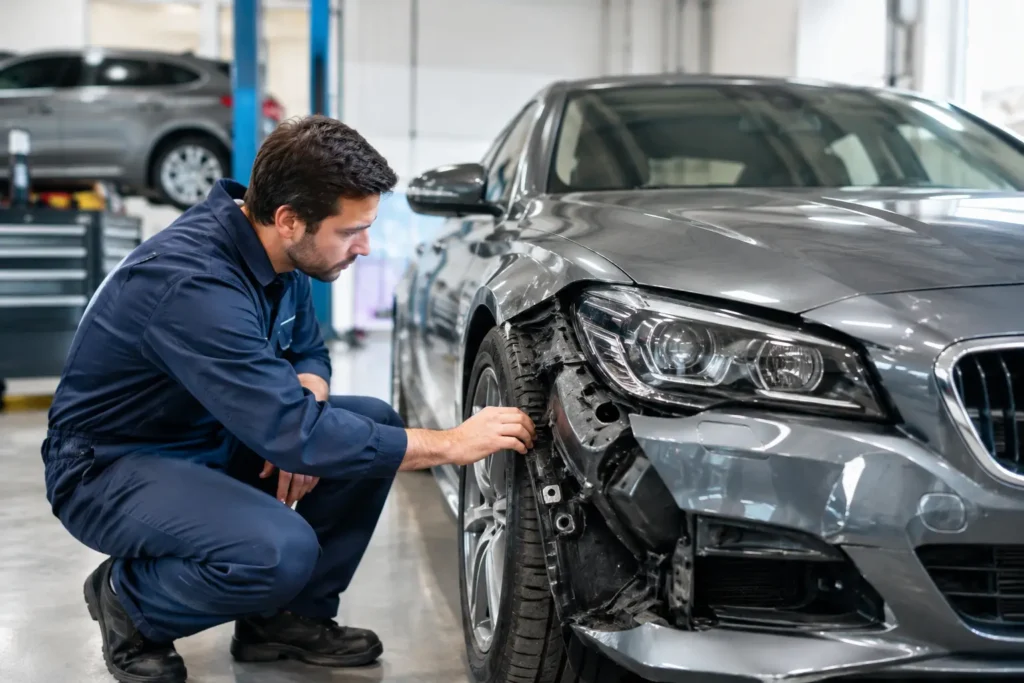
A damaged bumper, warning light, or bent door can feel like a simple repair until you consider what may be behind it. Foreign car collision repair is about more than making a vehicle look good again. It means restoring the structural, safety, and mechanical systems that help your vehicle protect you on every drive through Cathedral City, Palm Springs, Palm Desert, and the Coachella Valley.
Whether you drive a European luxury sedan, a Japanese hybrid, a Korean SUV, or another imported vehicle, the right repair process matters. Modern vehicles rely on precise materials, sensors, software, and manufacturer repair procedures. After an accident, choosing a qualified local collision shop can make the difference between a cosmetic fix and a repair that supports your vehicle’s safety, performance, and long-term value.
Why Foreign Car Collision Repair Requires Precision
Many foreign vehicles are engineered with specialized components and tight manufacturing tolerances. A minor impact can affect more than the panel that appears damaged. Behind a bumper cover may be parking sensors, radar units, cameras, brackets, wiring, impact absorbers, and active safety equipment.
The same is true of doors, fenders, hoods, and quarter panels. Some vehicles use aluminum, high-strength steel, composite materials, or a combination of these materials in the same body structure. Each one requires an appropriate repair method. Improper heating, welding, pulling, or refinishing can compromise the material or create problems that do not show up until later.
That does not mean every foreign vehicle needs a dealership repair department. An independent collision facility with trained technicians, proper equipment, and a commitment to manufacturer-informed repair practices can provide an excellent, cost-conscious alternative. The key is to ask how the shop identifies hidden damage, verifies repair specifications, and confirms that safety-related systems are working when the job is complete.
What a Complete Repair Should Include
A trustworthy estimate should begin with a close inspection, not a quick glance at the visible dent. Initial estimates are useful for planning, but collision damage is often hidden behind panels. Once the vehicle is disassembled, a repair professional may find damaged mounting points, broken clips, bent reinforcement bars, crushed absorbers, or sensor brackets that need attention.
A complete foreign car collision repair process generally includes structural and body measurement when needed, careful parts identification, repairs or replacements based on damage severity, paint preparation and color matching, and a final quality review. For vehicles with advanced driver-assistance systems, it may also require pre-repair and post-repair diagnostic scans and calibration of applicable cameras or sensors.
Not every accident calls for every service. A low-speed parking-lot dent may only require dent repair and refinishing. A harder front or rear collision may involve bumper and fender repair, frame straightening, mechanical checks, wheel alignment, and safety-system calibration. The proper scope depends on the vehicle, the impact location, and what the inspection reveals.
Structural Alignment Is Not Just for Major Accidents
A vehicle can drive normally and still have underlying structural damage. Even a slight shift in a mounting point or unibody section may affect panel fit, tire wear, alignment, or the way a vehicle responds in a future collision.
Professional frame and unibody measuring equipment helps technicians compare the vehicle’s structure against factory dimensions. If correction is necessary, it should be performed methodically rather than forced into place. Accurate measurements support proper fit for replacement panels, headlights, hoods, bumpers, and suspension components.
Paint Matching Takes More Than the Paint Code
Your vehicle’s paint code is an essential starting point, but it is not the entire answer. Sun exposure, age, previous repairs, and the metallic or pearl content of a color can change how paint appears from one panel to the next.
A quality refinishing process includes preparation, color evaluation, blending when appropriate, and proper curing. The goal is a finish that looks consistent in the bright desert sun as well as in shade. Rushing paintwork can lead to mismatched color, visible repair edges, or premature finish issues.
Parts Choices: What Vehicle Owners Should Ask
Replacement parts can be one of the most confusing parts of an insurance repair. Depending on the vehicle, policy terms, availability, and repair plan, an estimate may include original equipment manufacturer parts, aftermarket parts, recycled original parts, or reconditioned components.
There is no single answer that is right for every repair. OEM parts may be especially appropriate where fit, safety, sensor compatibility, or finish quality is critical. High-quality aftermarket parts can be suitable for certain applications and may help control costs. Recycled OEM parts can be a practical option for some non-safety-related panels, particularly when availability is limited.
The important thing is transparency. Ask the shop to explain what type of part is being proposed, why it is appropriate, and whether it affects fit, warranty, or system operation. A reputable repair facility should be comfortable walking you through those choices without pressure or confusing jargon.
Insurance Coordination Should Reduce Stress, Not Add It
After an accident, you may be balancing calls from an insurer, transportation needs, a work schedule, and concerns about your vehicle. Your insurance company may recommend repair facilities, but you can still ask questions and choose a shop you trust.
A capable collision repair team can help document visible and hidden damage, communicate with the insurer, submit supplements if additional repairs are discovered, and keep you informed about approval and parts delays. Insurance coordination does not mean cutting corners to meet an estimate. It means making sure the repair plan reflects the damage found and the work needed to return the vehicle to pre-accident condition.
Before authorizing repairs, review the estimate and ask about deductible responsibility, expected repair timing, rental vehicle assistance, and how updates will be communicated. Delays can happen when specialized parts are backordered or supplemental damage requires insurer review. Clear communication is often the best way to make those delays manageable.
How to Choose a Foreign Vehicle Collision Shop
Start with experience, but look beyond a shop’s years in business. Ask whether technicians hold I-CAR and ASE credentials, whether the facility has modern measuring and refinishing equipment, and how it handles vehicles with camera, radar, and sensor systems. These questions are especially relevant if your dashboard warning lights appeared after the collision or if the impact involved a bumper, windshield area, mirror, or front grille.
You should also pay attention to how the shop communicates. Are they willing to provide a detailed, free estimate? Do they explain the repair plan in plain language? Can they assist with towing, rental arrangements, and insurer communication? A collision repair experience should feel organized and respectful, not like another problem to solve while your vehicle is unavailable.
For Coachella Valley drivers, local service brings another advantage: accountability. CatCity Auto Body combines more than 20 years of collision-industry experience with certified technicians, detailed estimates, online repair tracking, and practical support from towing through delivery. Every repair, from a small dent to significant collision damage, deserves the same careful attention.
Steps to Take After a Collision
If your vehicle is safe to move, take photos of the damage, the accident scene, and any relevant information before repairs begin. Save your claim number, adjuster contact information, and towing paperwork. If warning lights are on, a wheel is rubbing, fluids are leaking, or a bumper or light is loose, avoid driving the vehicle until it has been inspected.
Then arrange a professional estimate as soon as practical. Early inspection helps identify safety concerns and gives you a clearer idea of repair needs, deductible costs, and timing. If you need transportation, ask about rental assistance before the repair begins rather than waiting until your vehicle is already in the shop.
Your vehicle was built to do more than get you from one appointment to the next. After an accident, give it the careful repair process it deserves – and give yourself the confidence of knowing the work was done with safety, precision, and clear communication in mind.