The tow truck has left, the insurance claim may be underway, and now you need your vehicle back safely. Knowing how to choose a collision shop can make a major difference in the quality of the repair, the time your car is off the road, and the stress you carry after an accident. For drivers in Cathedral City and across the Coachella Valley, the right shop should offer more than a quick cosmetic fix. It should provide clear answers, qualified repairs, and support through the process.
Start With Safety, Not Just Appearance
A vehicle can look fine after a repair while still having problems underneath the surface. Modern vehicles are built with crumple zones, sensors, cameras, advanced driver-assistance systems, and structural components that must work together correctly after a collision. A damaged bumper, for example, may involve more than paint and plastic. It can affect parking sensors, blind-spot monitoring, brackets, wiring, or energy-absorbing materials behind the cover.
Ask a prospective shop how it identifies hidden damage and whether it follows manufacturer repair procedures when applicable. For more serious impacts, ask whether the shop has the equipment and training to measure and straighten the frame or unibody structure. A proper repair protects the vehicle’s handling, restraint systems, and ability to respond as designed in a future accident.
Price matters, especially when a deductible is involved, but the lowest estimate is not always the best value. An estimate that leaves out required operations, uses unsuitable parts, or skips necessary calibrations can create delays and added costs later. A trusted shop will explain what it sees at the start and communicate if additional collision-related damage is found during disassembly.
Look for Training, Certifications, and Proper Equipment
Collision repair is a specialized trade. Before authorizing work, ask about the technicians who will repair your vehicle. I-CAR training and ASE certifications are useful signs that a shop invests in current technical knowledge. They do not replace careful workmanship, but they show a commitment to professional standards in an industry that changes quickly.
Equipment matters just as much. Quality repairs may require computerized measuring systems, welding equipment designed for modern vehicle materials, paint-matching technology, and scan tools for identifying diagnostic trouble codes. Depending on the vehicle and damage, the shop may also need to coordinate sensor calibration after repairs are complete.
You do not need to become an auto body expert to ask straightforward questions. A good shop should be comfortable explaining its process in plain language. If the response is vague, rushed, or focused only on getting you to sign paperwork, consider that a warning sign.
Questions worth asking before you commit
Ask whether the shop repairs vehicles like yours regularly, whether it performs a pre-repair and post-repair scan when needed, and how it confirms structural repairs meet specifications. Also ask which parts will be used. Original equipment manufacturer parts, recycled original parts, and aftermarket parts can each be appropriate in certain situations, depending on your vehicle, insurer, availability, and budget. What matters is that the shop explains the options and documents the plan.
Compare Estimates the Right Way
Getting a free estimate is a smart first step, but comparing totals alone can be misleading. Collision estimates are written from visible damage, and some repairs cannot be fully identified until damaged panels are removed. This is common, not automatically a sign that a shop was inaccurate or dishonest.
Instead, compare the detail behind each estimate. Look for labor categories, repair versus replacement decisions, parts listed, paint and materials, and any notes about possible supplemental damage. Ask the estimator to walk you through the quote. You should understand what is included, what may change, and how you will be notified if the repair plan changes.
Transparent communication is especially valuable when insurance is involved. Your insurer may prepare an initial estimate, while the repair facility identifies additional necessary work after teardown. A professional shop can document the damage, submit supplements to the insurer, and keep you informed without making you act as the middle person for every update.
Be cautious with promises that sound too simple, such as guaranteed completion dates before the vehicle has been inspected or assurances that every repair will cost exactly the deductible. Parts delays, hidden damage, insurer approvals, and calibration scheduling can affect timing. The right shop will give you a realistic expectation, then communicate promptly if circumstances change.
Understand Your Right to Choose the Repair Facility
After an accident, you may hear recommendations from an insurer, a dealership, a towing company, or another driver. Those recommendations can be helpful, but the choice of repair facility is yours. Choose a shop based on its qualifications, repair plan, communication, and reputation, not because you feel pressured to use one particular location.
A shop experienced with insurance claims can make the process more manageable. It can help document damage, communicate directly with adjusters, and explain what the estimate means. That support does not mean the shop should make decisions without you. You should still receive updates and approval requests when appropriate.
For Coachella Valley drivers, convenience also deserves consideration. If an accident has disrupted your commute, medical appointments, family responsibilities, or work schedule, ask whether the shop can assist with towing, rental arrangements, repair-status updates, or vehicle delivery. These services do not determine repair quality by themselves, but they can make a difficult situation far more manageable.
Check Reputation With a Local Perspective
Online reviews can reveal useful patterns, particularly when you read more than the star rating. Look for consistent comments about communication, accurate estimates, workmanship, timeliness, and how the shop handled problems when they arose. A business with years of local experience should have a reputation that extends beyond a single promotional claim.
It is also reasonable to visit the shop before deciding. Notice whether the front office is organized, whether the staff listens to your concerns, and whether the facility appears equipped to handle the kind of damage your vehicle has. You are not looking for a showroom. You are looking for a professional operation that treats your vehicle and your questions with respect.
Local care can be especially meaningful after a collision. An independent shop often has the flexibility to provide personal attention and cost-conscious options while remaining focused on repair quality. CatCity Auto Body brings more than 20 years of collision-industry experience to drivers throughout Cathedral City, Palm Springs, Palm Desert, Rancho Mirage, and surrounding communities.
Ask About the Repair Process and Final Inspection
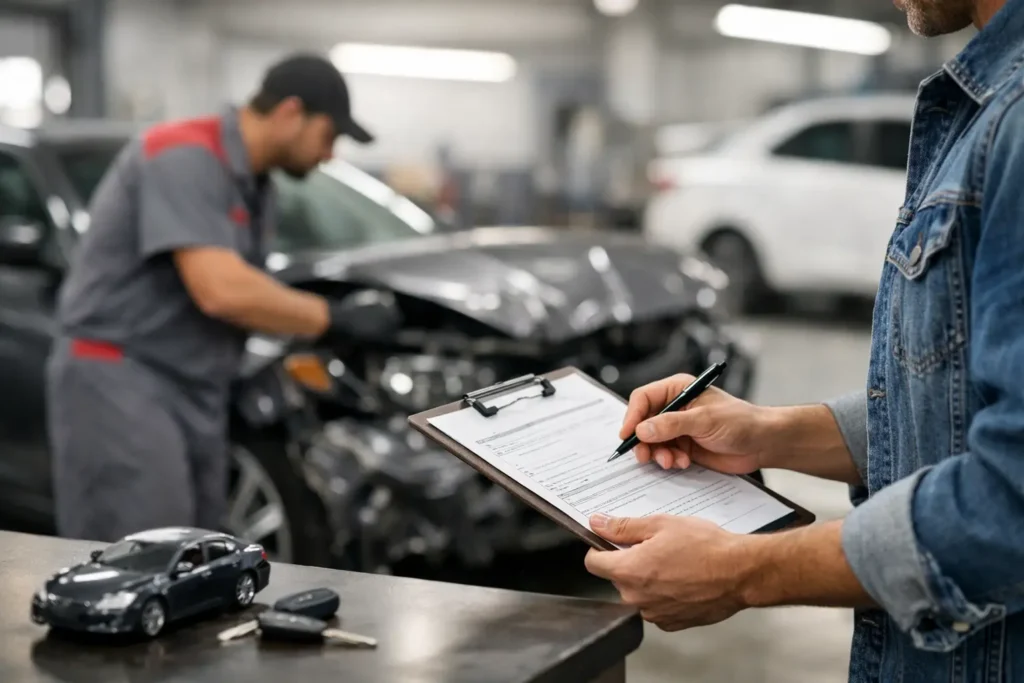
A reliable collision shop should be able to describe what happens after you drop off the vehicle. The process usually includes documenting damage, disassembling affected areas as needed, ordering parts, completing structural and body repairs, preparing and painting panels, reassembling components, and performing quality-control checks.
Before picking up your vehicle, ask what final inspection is performed. For a repair involving safety systems or driver-assistance features, confirm that required scans or calibrations have been addressed. Review the invoice and repair documentation, and ask about the workmanship warranty. You should know who to call if you notice an issue after leaving the shop.
When you inspect the completed vehicle, check panel gaps, paint color, trim fit, lights, and the operation of doors, trunk lids, windows, and other repaired components. If something does not look or feel right, speak up promptly. A professional shop wants the opportunity to address legitimate concerns and stand behind its work.
How to Choose a Collision Shop With Confidence
The best repair facility is not simply the one that can take your car first or quote the lowest number. It is the one that combines certified skill, appropriate equipment, honest estimates, insurance experience, and dependable communication. For minor dents, those standards help preserve your vehicle’s appearance and value. For major collision damage, they can be essential to restoring safety.
After an accident, take a breath before making a decision. Request a detailed estimate, ask the questions that matter, and choose a local shop that explains the repair in terms you can understand. A careful choice now gives you a better path back to a vehicle you can trust on every drive.