
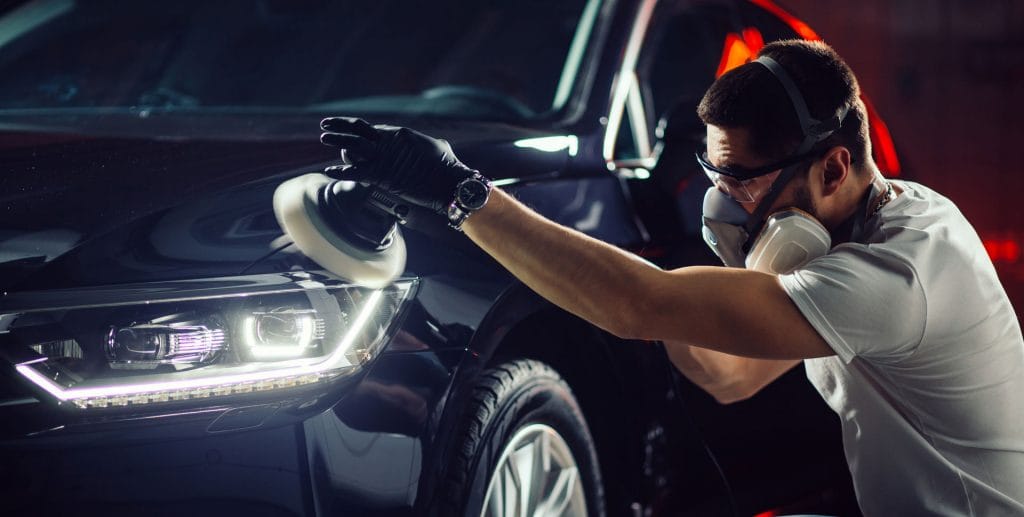
When you’re driving through Cathedral City and a rogue shopping cart or small hailstorm leaves a dent in your vehicle, the first thought may be, “Do I need a full body shop repair for this?” While many might assume the only way to fix a dent is to repaint the entire panel, there’s a faster, more cost-effective solution available—Paintless Dent Repair (PDR).
In this complete guide to Paintless Dent Repair (PDR), we’ll explain how this innovative dent removal process works, the benefits of PDR, and when it’s the best solution for your car. By the end, you’ll have a solid understanding of why PDR Cathedral City is becoming the go-to option for many vehicle owners.
What is Paintless Dent Repair (PDR)?
Paintless Dent Repair (PDR) is a highly effective and specialized method for removing minor dents, dings, and creases from a vehicle’s body panels without the need for traditional bodywork or repainting. It’s an advanced, non-invasive technique that uses specialized tools to gently “massage” the metal back to its original shape.
This repair method is often ideal for dents that haven’t damaged the paint. The goal is to restore the panel’s smooth appearance without altering the factory finish. PDR is typically done from the inside of the panel, meaning there’s no need for filler, sanding, or repainting.
How Does Paintless Dent Repair (PDR) Work?
The dent removal process in PDR is highly precise and requires skill. Here’s a step-by-step breakdown:
Step 1: Assessing the Dent
The first step is to carefully assess the dent’s size, location, and depth. PDR works best for:
- Shallow dents
- Minor dings (from door impacts, small hail, etc.)
- Creases without paint damage
Our PDR specialists will check if the dent is accessible and if the paint remains intact (without cracks or chips).
Step 2: Gaining Access to the Dent
Once the damage is assessed, the technician will identify the best way to access the dent:
- For external access, they may use specialized tools and a glue-pulling method to pop the dent out.
- For internal access, the technician will gently remove interior panels, trim, or other components to reach the backside of the affected area.
Step 3: Using Specialized Tools
PDR technicians use a range of tools, including metal rods, knockdown tools, and suction devices, to gradually push, pull, or “massage” the dent back to its original form. The technician uses precise movements and light pressure to ensure the metal remains undamaged and smooth.
Step 4: Final Inspection and Polish
Once the dent is removed, a thorough inspection is done to make sure the repair is flawless. If needed, the area is polished to restore the factory finish. Since there’s no repainting involved, the vehicle’s paint remains untouched, retaining its original quality and shine.
Benefits of Paintless Dent Repair (PDR)
PDR offers a range of benefits for vehicle owners looking to restore their car to its pre-dent condition. Here are some of the key advantages:
1) Cost-Effective
One of the most significant benefits of PDR is its affordable cost compared to traditional dent repair methods. Since PDR doesn’t require repainting, materials like fillers or sanding, and the labor is typically quicker, the overall cost is much lower.
2) Preserves the Original Paint
Since PDR doesn’t require sanding or repainting, the original paint remains intact. This is crucial for maintaining the vehicle’s resale value, as it keeps the car’s exterior in its factory condition. Furthermore, there’s no risk of mismatched paint or finish problems.
3) Faster Turnaround Time
Traditional dent repair can take several days to complete, as it requires the time for the paint to dry and the sanding process to be done correctly. In contrast, PDR typically takes just a few hours, depending on the severity of the dent. If you need your car back quickly, PDR is the way to go.
4) Environmentally Friendly
PDR is an eco-friendly repair option because it doesn’t require chemicals, fillers, or paint. By avoiding these materials, the repair process is less harmful to the environment, making it a green choice for eco-conscious vehicle owners.
5) No Risk of Paint Mismatching
Traditional repairs often involve the risk of paint mismatching, especially if the car’s paint has faded over time. Since PDR does not involve repainting, this eliminates the possibility of visible differences in color or finish between the repaired area and the rest of the vehicle.
When Is PDR the Best Solution for Your Car?
While PDR is a great option for many types of dents, it’s not suitable for every situation. Here are some scenarios where PDR is ideal, and others where traditional repair methods might be required.
Best for:
- Small, shallow dents (like those caused by shopping carts or minor hail)
- Minor door dings or parking lot dents that don’t have any paint damage
- Creases and hail damage with no cracks or chips in the paint
- Dents on easily accessible panels like the roof, doors, and hood
Not Ideal for:
- Large dents that affect the structure of the panel
- Dents with paint damage such as chips, cracks, or peeling
- Creases with deep damage (where the metal is stretched)
- Severe structural damage that may require more extensive repairs beyond the capabilities of PDR
If you’re not sure whether PDR is right for your situation, Cat City Auto Body offers free assessments to determine if your vehicle’s damage can be repaired with this method.
PDR vs. Traditional Dent Repair: What’s the Difference?
While both methods achieve the goal of removing dents, there are several key differences between PDR and traditional dent repair:
| Feature | Paintless Dent Repair (PDR) | Traditional Dent Repair |
| Cost | Lower overall cost | Higher due to labor, materials, and painting |
| Repair Time | Typically a few hours | Can take several days |
| Paint Involvement | No repainting, retains original finish | Involves repainting or touch-ups |
| Materials Used | No fillers or paint | Filler, primer, paint, and clear coat |
| Environmental Impact | Eco-friendly, no chemicals or harmful materials | Potential use of chemicals and materials |
How Much Does Paintless Dent Repair (PDR) Cost in Cathedral City?
The cost of PDR can vary depending on several factors:
- Dent size and depth: Larger, deeper dents typically cost more to repair than small dings.
- Location of the dent: Dents in areas that are harder to access (like the roof or behind trim) may cost more.
- Repair time: More complex dents or repairs requiring multiple steps can take longer and cost more.
On average, you can expect to pay between $75 and $300 for minor dent repairs. Larger or more complex dents may range from $400 to $800. For the best estimate, it’s always a good idea to schedule a free consultation at Cat City Auto Body, where we’ll assess the damage and provide you with a detailed quote.
When to Choose PDR for Your Vehicle?
If you’re looking for a fast, affordable, and environmentally friendly solution to remove dents, PDR is often your best bet. Whether it’s a door ding from a parking lot incident or minor hail damage, Paintless Dent Repair offers an efficient solution that helps restore your car to its pre-damaged state while maintaining the vehicle’s original finish.
If you’re in Cathedral City, and you need dent removal services, Cat City Auto Body specializes in PDR Cathedral City and can guide you through the process. We’ll inspect your vehicle, help you understand if PDR is the right choice, and get you back on the road as quickly as possible with a flawless finish.